
ISO 14064-1:2018 is part of the ISO 14060 family of standards dedicated to climate change mitigation. Specifically, this standard provides principles and requirements for quantifying and reporting GHG emissions and removals at the organizational level. This version (2018) supersedes the previous 2006 edition and introduces critical enhancements that reflect modern-day sustainability and climate reporting requirements.
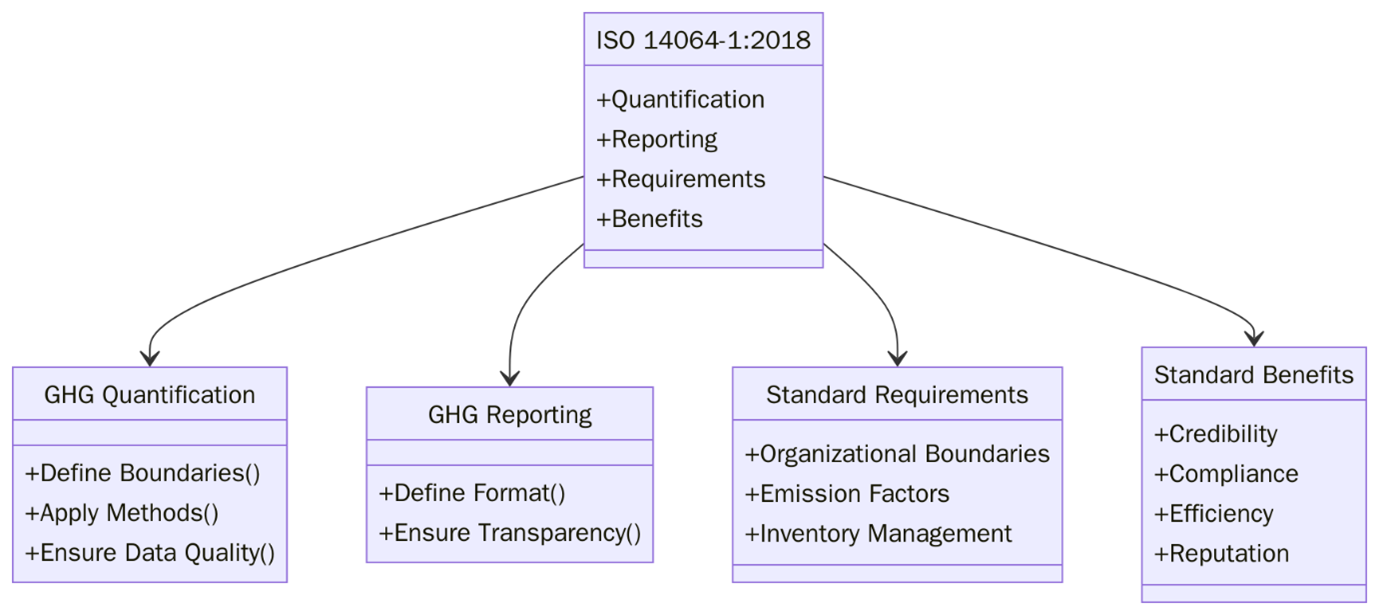
The standard aims to:
By adopting ISO 14064-1:2018, organizations not only demonstrate environmental responsibility but also fulfill market, investor, and regulatory expectations for climate transparency.
As a recognized certification body, we at Pacific Certifications specialize in assisting organizations to meet the rigorous criteria of ISO 14064-1:2018. Our approach is tailored, transparent, and fully aligned with international best practices.
Here’s how we support you:
By working with us, you gain access to experienced auditors, streamlined certification processes, and valuable insights that enhance your environmental governance.
To achieve certification, organizations must meet specific requirements across several key areas:
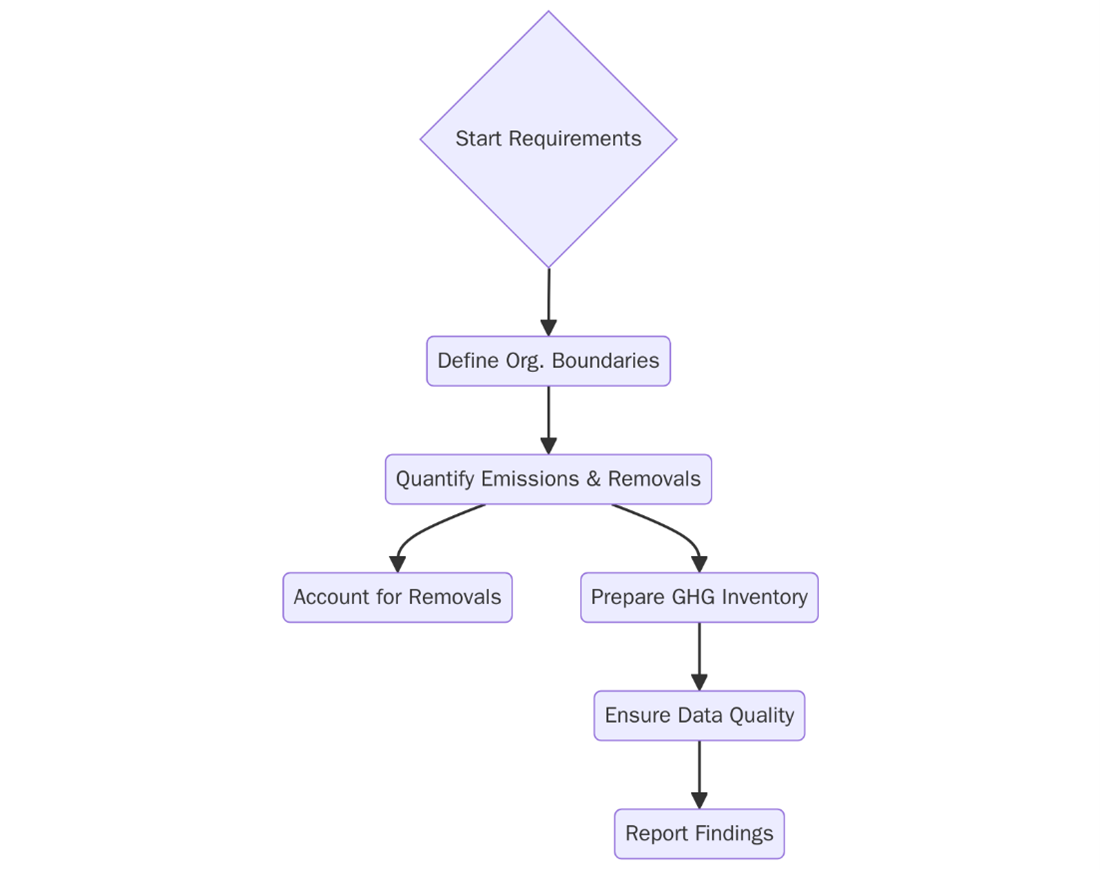
Organizational Boundaries
Entities must define the scope of their operations, facilities, and activities to be included in the GHG inventory. ISO 14064-1:2018 allows for both control-based (financial/operational) and equity-share approaches.
GHG Emission and Removal Quantification
Quantification must be based on sound methodologies that align with accepted science and include direct emissions (Scope 1), indirect emissions from energy (Scope 2), and optionally, other indirect emissions (Scope 3).
GHG Inventory Preparation
An accurate inventory must include:
GHG Data Management
Organizations must establish controls to ensure data quality, transparency, and completeness. This includes clear roles, responsibilities, and quality assurance procedures.
Reporting and Documentation
Reporting must be consistent, transparent, and complete. It should detail methodologies, emission factors, sources, and changes in data or structure over time.
Validation and Verification
Independent validation or verification is encouraged to enhance the credibility of reported data—this is where our third-party audit services are crucial.
Adopting ISO 14064-1:2018 yields both tangible and intangible advantages:
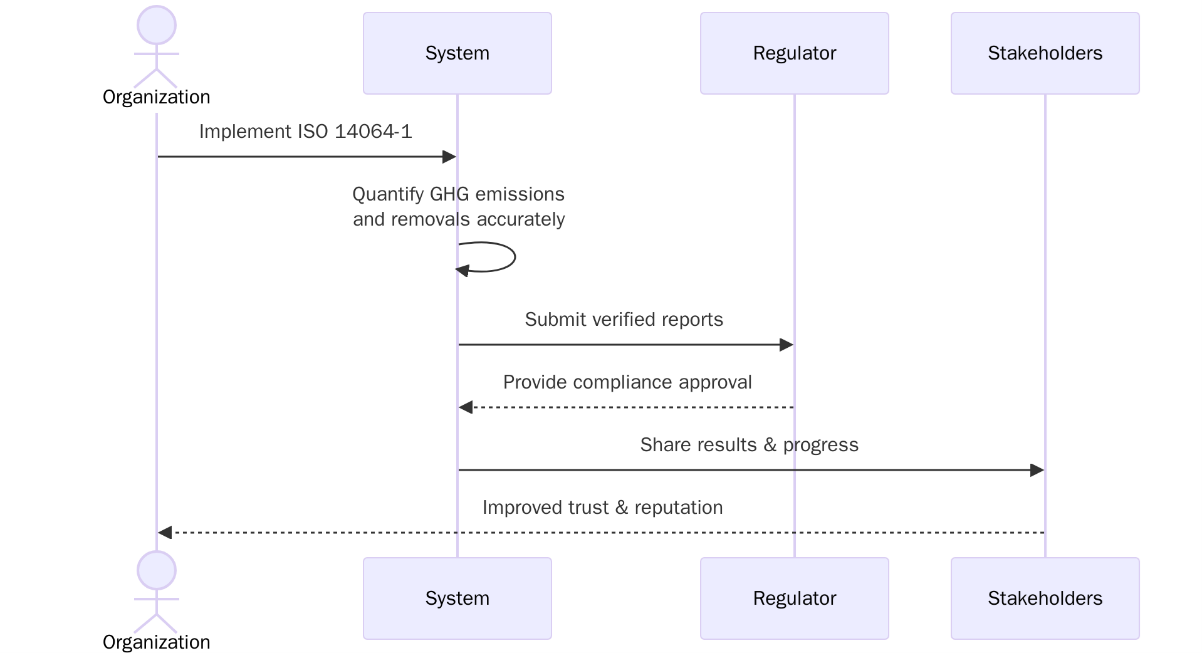
This standard is applicable across sectors and organizational types, including but not limited to:
Essentially, any organization aiming to improve its environmental performance or participate in carbon reporting schemes will benefit from implementing ISO 14064-1:2018.
ISO 14064-1:2018 represents more than a guideline—it is a strategic imperative for organizations navigating a carbon-conscious world. Through consistent, transparent, and verifiable GHG reporting, organizations can lead by example, build stakeholder trust, and unlock value in sustainability.
We at Pacific Certifications are your trusted partners in this journey. From initial assessment to successful certification, our audit expertise ensures you meet every requirement with confidence and clarity.
Contact Pacific Certifications to begin your certification journey today!
Suggested Certifications –
Read more: Pacific Blogs

Get a rough Estimate for your Required Certification by entering your basic details.
This will close in 0 seconds
Get in touch!
This will close in 0 seconds