

ISO 9241-210 is an international standard that outlines principles for human centred design in the development of interactive systems. In the oil and gas industry where digital systems control major operations this standard helps ensure that user interfaces and systems are planned with the end user in mind. It supports better safety outcomes usability and performance during exploration drilling and production activities. These systems include control panels remote monitoring dashboards and field-based digital applications that are used every day by technicians engineers and operations teams.
When companies use ISO 9241-210 they aim to make sure their systems work the way people naturally think and act on the job. This helps cut down on mistakes in the field improves communication between workers and makes the entire system more manageable. The standard is not just for software it applies to any tool that has an interactive element used by a person to complete a task or make a decision. That could mean a screen on a rig a touchscreen on a mobile app or even warning systems used in offshore drilling environments.
For assistance, contact us at support@demo.pacificcert.com.
The purpose of ISO 9241-210 is to help companies design systems that match the real needs of users in their work environments. In oil and gas this means systems used by operators engineers and field workers are shaped by how they think work and make decisions. This reduces errors and supports better job performance. It also allows organizations to better plan for training tool updates and long term system changes by making sure they always know how real users interact with technology under normal and emergency conditions.
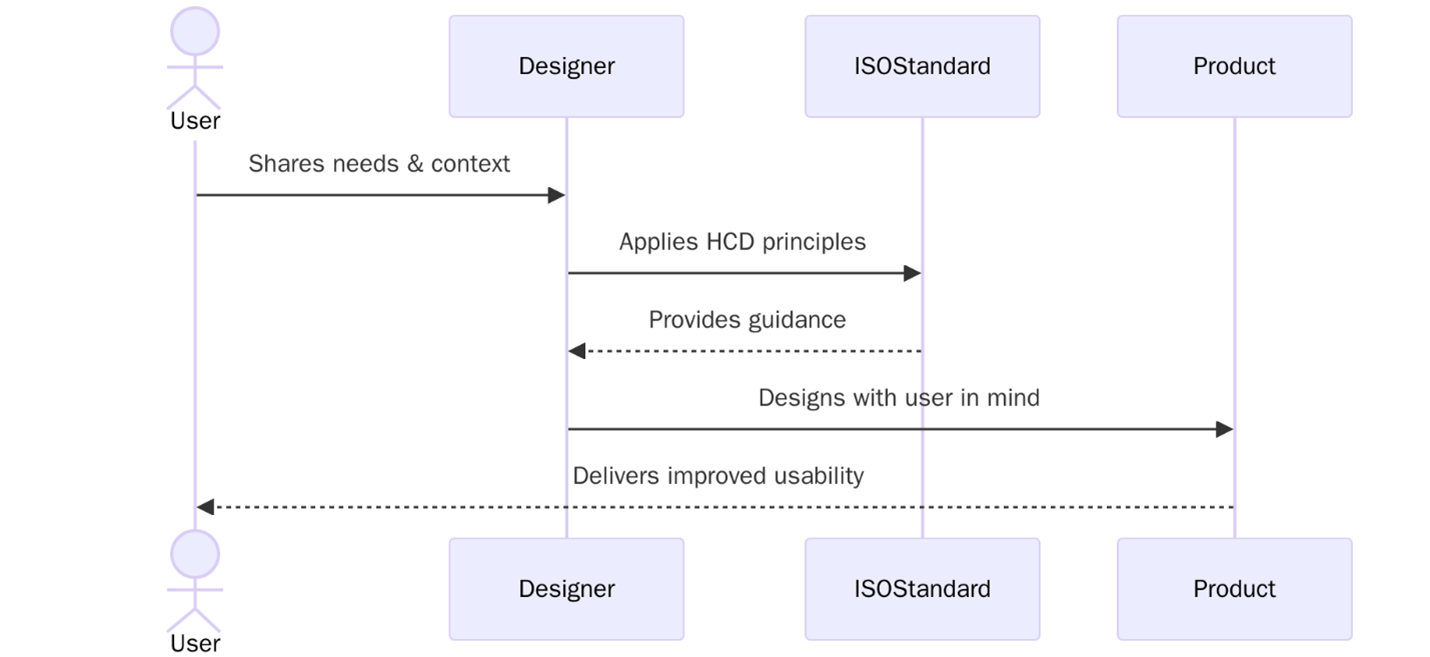
This standard applies to systems that involve people interacting with digital interfaces. In the oil and gas sector this includes SCADA systems remote monitoring tools mobile field apps and digital control panels. The standard is useful for software vendors EPC companies drilling contractors and asset owners across upstream midstream and downstream operations. It applies whether the system is in a refinery offshore platform pipeline terminal or drilling site.
Any company that builds or maintains interactive systems used in the field can benefit from applying this standard. ISO 9241-210 can also help organizations during system upgrades especially when digital tools are updated but still need to support the same team members and roles. Even small interface changes like adjusting buttons or warnings can be made more safely when design decisions follow the human centred process.
Clause | Title | Description |
1 | Scope | Describes the kinds of systems and industries the standard applies to |
2 | Normative References | Lists other related documents or standards referred to by ISO 9241-210 |
3 | Terms and Definitions | Provides definitions for important usability and design terms |
4 | Principles of Human Centred Design | Lays out core principles like user involvement and task fit |
5 | Human Centred Design Process | Explains the process steps from planning through design and testing |
6 | Benefits of Human Centred Design | Lists the reasons usability planning improves quality and safety |
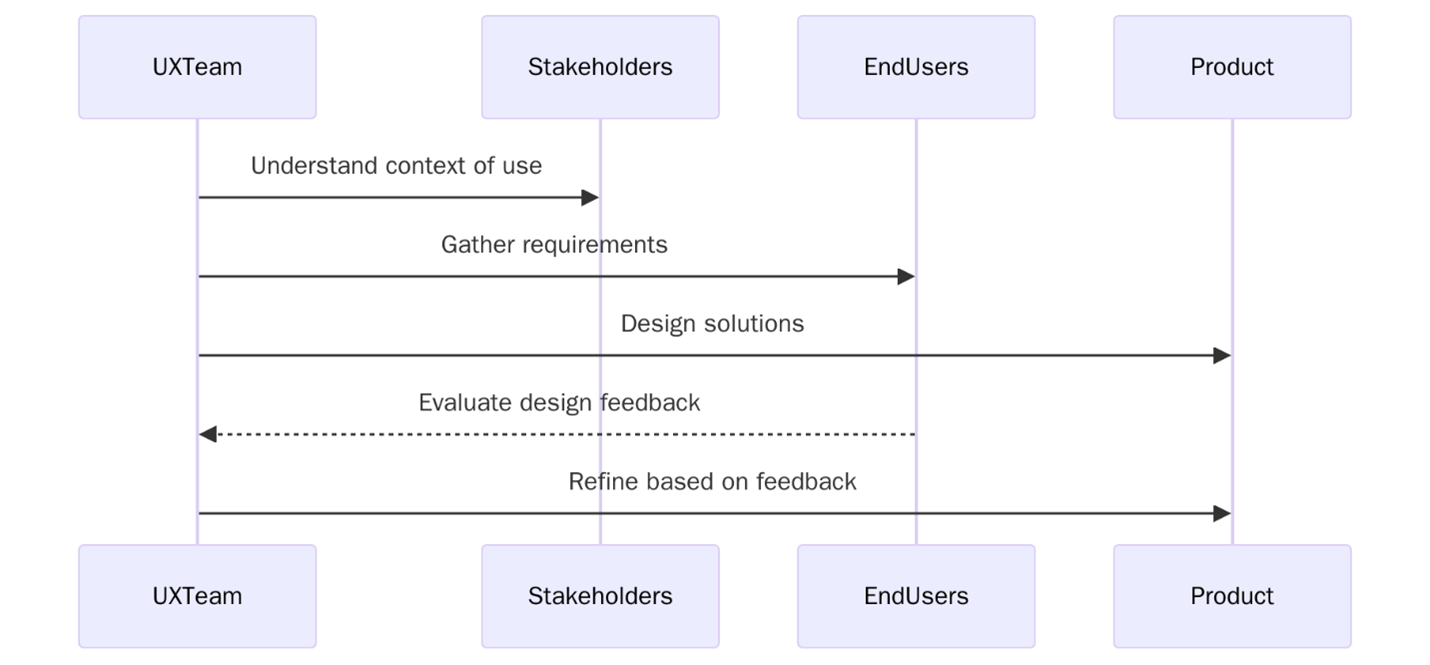
To meet ISO 9241-210 organizations must include user focused steps during system design. This means understanding how people use the system collecting input through interviews or field studies and testing the interface before full release. Teams should document all stages including changes made based on feedback. These steps can be added to quality plans under ISO 9001 or risk plans under API Q1.
Real world use is key. Companies should look at how operators actually work with the system whether it is a drilling dashboard alarm signal or mobile app. Then they adjust the design to make that interaction clearer faster or safer. Documentation should show how decisions were made from start to finish and how updates reflect real work environments rather than theoretical models or assumptions.
Requirements To implement ISO 9241-210 effectively in oil and gas operations organizations should focus on the following core requirements:
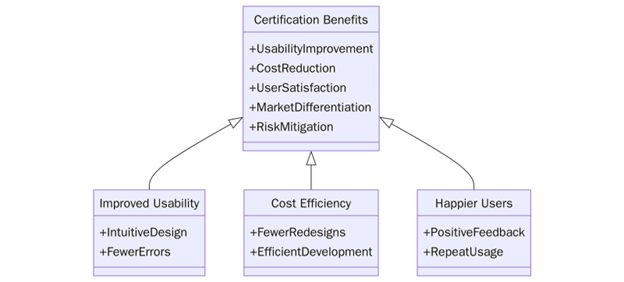
Benefits Before adopting any standard companies want to understand what they will gain from it. ISO 9241-210 brings value by shaping systems around real human needs rather than abstract technical goals. For oil and gas firms that rely on control systems field tools and operator input this standard helps make sure the people who use those systems every day can do their work more clearly and with fewer delays. These improvements are not only about usability but also about safety response time and system reliability. Below are the key benefits of applying this standard in oil and gas environments.
Over the past year the use of ISO 9241‑210 has grown sharply in oil and gas operations worldwide. In regions such as East Africa and Southeast Asia operators are beginning to add human centred design criteria into their digital tool contracts. Vendors are now required to show how user needs were captured during design stages before approval is granted. Operators in offshore environments have started to run live usability checks on control panels onboard drilling rigs.
ISO 9241-210 can be applied by any organization that designs builds or maintains systems where people interact with technology to perform tasks. In the oil and gas sector this includes companies working with digital tools such as control room panels field data collection apps or drilling monitors. There are no fixed size or type limitations. Both small vendors and large operating companies can use this standard to improve usability and safety.
Organizations looking to implement or certify against this standard should have a quality system in place that supports system development and user involvement. This could be an existing ISO 9001 or API Q1 system or a project based process with traceable records. The key is having the ability to collect user input test usability and document system adjustments.
This process is aimed at reviewing how your team includes user research in system development. Stage 1 checks documents like interface design plans usability logs or testing results. Stage 2 goes deeper into actual field use interviews and design revisions. Certification is granted only when all parts of the design process follow the intent of ISO 9241-210.
From first review to certification most audits take two to three months. If usability work has already begun it may be faster. If starting new usability planning more time will be needed to collect feedback and run tests. Organizations with multiple systems may choose to phase certification over time starting with a pilot project or high risk interface and then expanding to other systems in later stages.
Cost depends on how many systems are reviewed how much testing is done and if ISO 9241-210 is part of a broader audit like ISO 9001. Firms with large software platforms may require more time and planning. If your company already has design records and user feedback systems in place that can reduce the audit effort. If not you may need to run new testing and feedback cycles before certification.
Pacific Certifications audits companies to ISO 9241-210. Our team works with operators software teams and designers to evaluate how human centred steps are built into systems. We perform both standalone usability audits and combined audits with ISO 9001 or API Q1 systems.
Our approach is practical. We look at the way systems are built tested and used in the field. We check how your team collects user input makes design updates and documents changes. Our audit team brings experience in oil and gas operations along with understanding of system planning so you get clear insight into what works well and what needs improvement.
For audits and certification contact support@demo.pacificcert.com
Pacific Certifications provides accredited training programs.
Contact Pacific Certifications to begin your certification journey today!
Suggested Certifications –
Read more: Pacific Blogs

Get a rough Estimate for your Required Certification by entering your basic details.
This will close in 0 seconds
Get in touch!
This will close in 0 seconds