
Good hygiene practices (GHP) are essential for maintaining personal health, preventing the spread of diseases, and ensuring safety in homes, workplaces, food production environments, etc. These practices form the first line of defense against harmful microorganisms, contaminants, and public health risks.
Consistent hygiene routines contribute to overall well-being and form the backbone of public health policies and compliance standards around the world. In many industries, particularly food processing, hospitality, and healthcare, Good Hygiene Practices are part of regulatory frameworks and certification schemes.
Looking to align your business with hygiene certification standards such as GHP, HACCP, or ISO 22000? Contact Pacific Certifications at support@demo.pacificcert.com for audit and certification services!
Good Hygiene Practices refer to systematic behaviors and procedures implemented to maintain cleanliness, prevent infection and minimize contamination risks. These practices can be applied at the individual level (personal hygiene) or institutional level (organizational hygiene management).
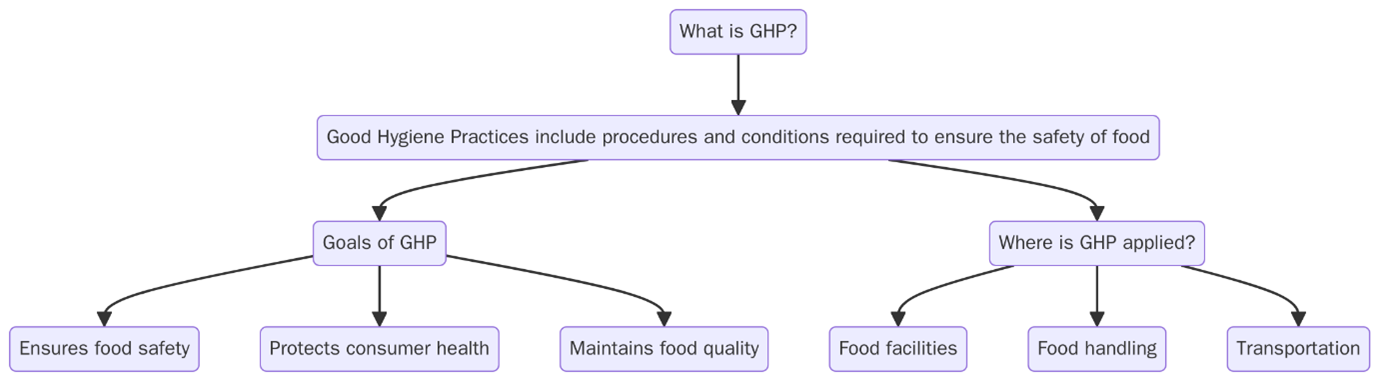
In regulated industries, GHP is a formalized set of procedures typically aligned with Good Manufacturing Practices (GMP), Hazard Analysis and Critical Control Points (HACCP), or ISO 22000 standards, particularly in food safety, pharmaceuticals, and cosmetics.
At its core, GHP includes:
Safe water supply and storage
GHP is a critical factor in preventing disease transmission and building public trust. In industries where hygiene lapses can result in severe consequences, such as foodborne illness, cross-contamination, or hospital-acquired infections, these practices are indispensable.
GHP is especially vital in:
Want to improve compliance with local or international hygiene regulations? Contact support@demo.pacificcert.com for expert audit services across multiple standards!
Effective GHP systems require a structured and proactive approach that includes:
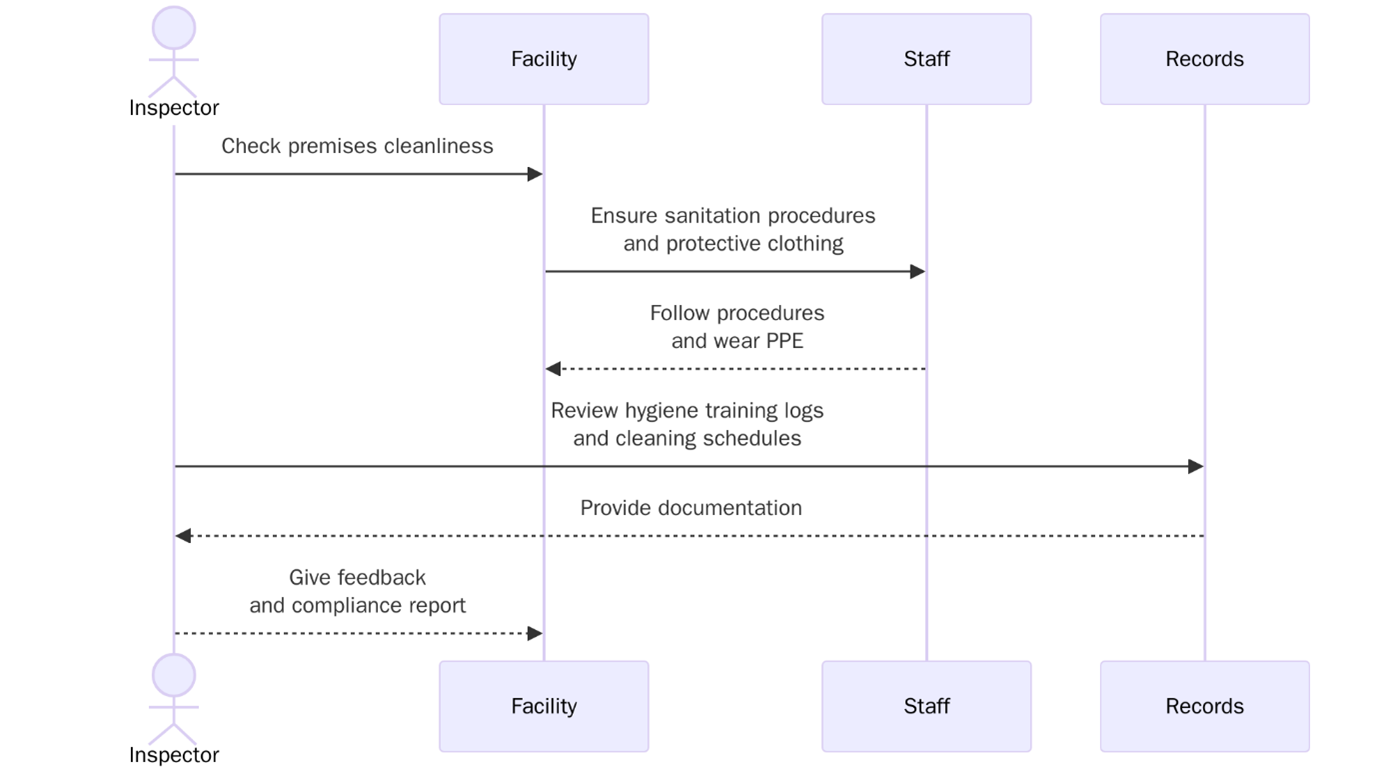
In formal settings like HACCP or ISO 22000, Good Hygiene Practices are typically pre-requisite programs (PRPs) that must be firmly in place before hazard analysis begins,
In a post-pandemic world, hygiene has become a business imperative, not just a personal responsibility. People are more conscious about how businesses clean, disinfect, and maintain hygienic environments. Below are the benefits of GHP implementation:
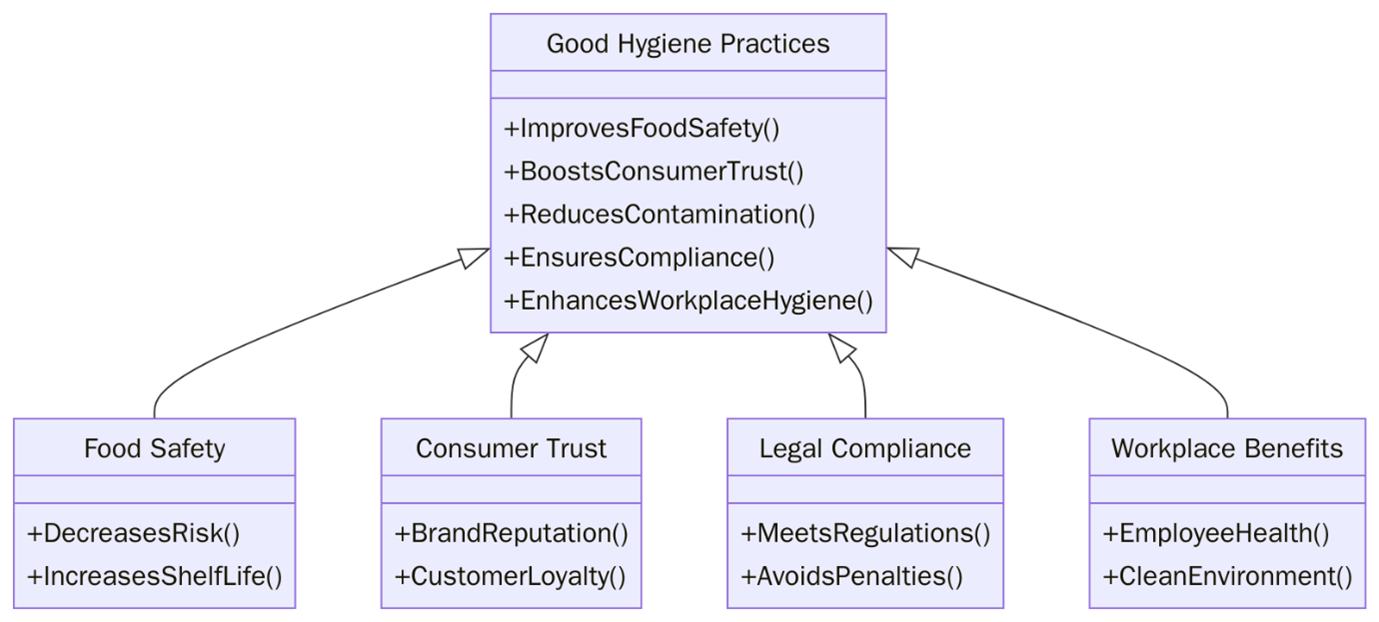
Organizations that fail to meet hygiene standards risk losing customers, facing fines, or dealing with legal consequences.
Globally, there is rising momentum toward:
Countries across Europe, the U.S., Asia, and the Middle East are enforcing stricter hygiene and sanitation laws in food safety, healthcare, hospitality, and cosmetics manufacturing. Having a structured hygiene management system has become a market differentiator and risk mitigator.
Want to make your hygiene practices audit-ready and globally aligned? Contact Pacific Certifications at support@demo.pacificcert.com.
Stage | Estimated Duration |
Staff hygiene awareness training | 1–2 weeks |
Hygiene SOP development | 2–3 weeks |
Implementation of hygiene system | 3–5 weeks |
Internal verification & monitoring | 1–2 weeks |
Optional third-party audit | 2–3 weeks |
Need a phased hygiene implementation roadmap for your industry? Email support@demo.pacificcert.com for a customized plan.
The cost of implementing GHP depends on:
For businesses seeking certification (GMP, HACCP), cost considerations also include:
Pacific Certifications is an accredited certification body providing audit and certification services for hygiene-related standards such as:
We help organizations across industries implement and certify hygiene systems that meet both local regulatory and international compliance standards.
We offer:
Whether you’re feeding customers, treating patients, or producing critical goods, Good Hygiene Practices are the cornerstone of safety, trust, and operational excellence.
Contact Pacific Certifications at support@demo.pacificcert.com to audit, document, or certify your hygiene practices today!
Contact Pacific Certifications to begin your certification journey today!
Suggested Certifications –
Read more: Pacific Blogs

Get a rough Estimate for your Required Certification by entering your basic details.
This will close in 0 seconds
Get in touch!
This will close in 0 seconds