
ISO 14310:2008 is an international standard that specifies the requirements for packers and bridge plugs used in downhole equipment in the petroleum and natural gas industries. These components are critical for well construction, well intervention and production operations, as they help isolate sections of the well, providing pressure control and ensuring the safety and integrity of the wellbore during drilling, completion and production activities.
ISO 14310:2008 provides guidelines for the design, materials, manufacturing, testing and performance of packers and bridge plugs to ensure that they can withstand the harsh conditions often encountered in downhole environments, such as high temperatures, pressure and corrosive fluids.
For more information, contact us at support@demo.pacificcert.com.
The purpose of ISO 14310 is to establish a standard for the design, testing and use of packers and bridge plugs to ensure their reliability and performance in petroleum and natural gas wells. These tools play a vital role in isolating sections of the wellbore, preventing fluid migration and controlling pressure during drilling, completion and production.
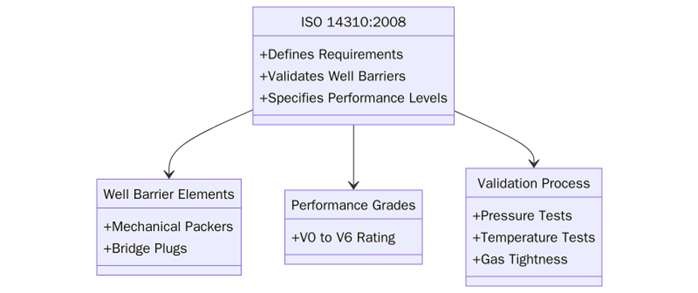
By adhering, organizations ensure that these components meet the necessary safety, quality and operational requirements, reducing the risk of failure and improving well integrity.
ISO 14310:2008 applies to all organizations involved in the design, manufacturing and use of packers and bridge plugs in the petroleum and natural gas industries. The standard is relevant to well completion, intervention and production operations where well integrity and pressure control are crucial. It provides manufacturers and service providers with the necessary guidelines for ensuring that these components meet the required standards for quality, safety and performance.
ISO 14310 is applicable to various types of packers and bridge plugs, including mechanical and inflatable packers, as well as those used in different wellbore environments such as high-pressure, high-temperature and corrosive conditions.
Clause Number | Title |
| Description |
Clause 1 | Scope | Defines the scope of the standard and specifies the types of packers and bridge plugs covered. | |
Clause 2 | Normative References | Lists the referenced documents and standards that support the requirements of ISO 14310:2008. | |
Clause 3 | Terms and Definitions | Provides key terms and definitions to ensure clarity and consistency in the standard. | |
Clause 4 | General Requirements | Outlines the general requirements for packers and bridge plugs, including performance, design and material specifications. | |
Clause 5 | Material Requirements | Specifies the material properties required for packers and bridge plugs to ensure durability and performance under downhole conditions. | |
Clause 6 | Manufacturing Process | Describes the manufacturing methods, quality control and inspection processes required for producing these components. | |
Clause 7 | Performance Testing | Outlines the performance tests required to verify that packers and bridge plugs can withstand expected downhole conditions. | |
Clause 8 | Packaging and Marking | Specifies packaging, labelling and marking requirements for packers and bridge plugs to ensure proper identification and traceability. | |
Clause 9 | Compliance and Certification | Details the process for certifying compliance with ISO 14310 and the standards for packers and bridge plugs. |
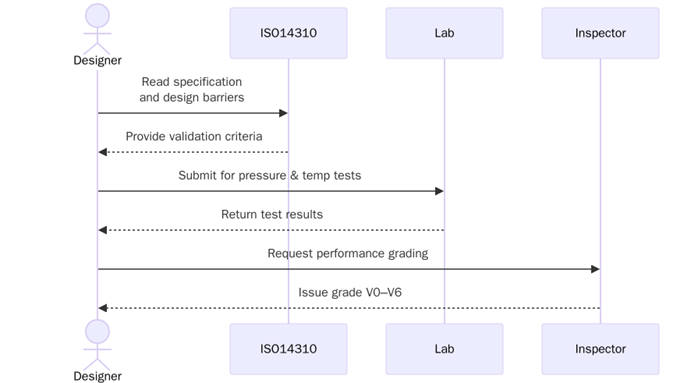
ISO 14310 ensures that packers and bridge plugs meet the necessary standards for quality, safety and operational performance. The following requirements ensure that these components can withstand the demanding conditions encountered in downhole environments. Below are the key requirements:
For more information, contact us at support@demo.pacificcert.com.
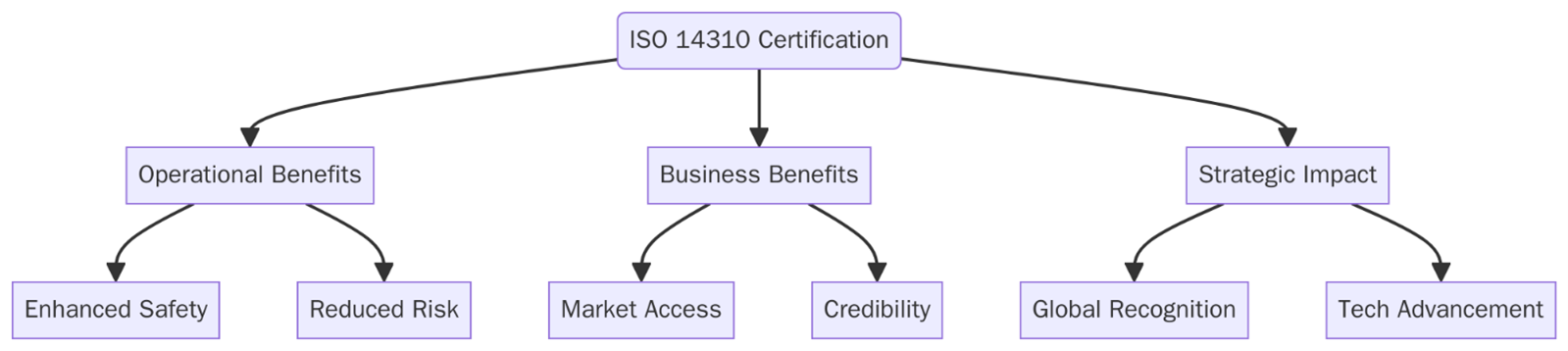
ISO 14310 certification provides organizations with a standardized approach to ensure the safety, quality and reliability of their downhole components. By meeting the requirements of the standard, organizations can improve product quality, reduce risks and upgrades their reputation. Below are some of the key benefits of obtaining ISO 14310 certification:
As the demand for oil and gas continues to grow and well construction becomes more complex, the need for reliable downhole equipment, including packers and bridge plugs, will increase. In the recent years, the oil and gas industry will continue to prioritize compliance with international standards like ISO 14310 to ensure safety, operational efficiency and regulatory compliance. ISO certified products will be essential for meeting industry demands, offering a competitive advantage in a rapidly evolving market.
The certification process for ISO 14310 typically includes the following steps:
The timeline for ISO 14310 certification spans several months. The pre-assessment and preparation phase generally takes 1-2 months, during which the organization reviews its current processes and prepares for audits. The Stage 1 audit usually lasts about 1 month. The Stage 2 audit, involving a overreaching evaluation of the manufacturing processes, takes around 1-2 months. Certification issuance occurs within 3-6 months, depending on the audit findings and the organization’s readiness for certification.
The cost of ISO 14310 certification depends on factors such as the size of the organization, the complexity of its operations and the number of components manufactured. Typical costs include:
Audit fees is the fees for the certification body’s audit process. Training costs is the cost for educating staff on ISO 14310 and the necessary processes to comply with the standard. Ongoing maintenance is the cost for regular audits, recertification and maintaining compliance every 3 years.
At Pacific Certifications, we provide overreaching auditing and certification services for ISO 14310. Our team will guide you through the entire certification process, ensuring that your organization complies with the highest standards for lock mandrels and landing nipples. Our services include:
For audits and certification, contact support@demo.pacificcert.com.
Various training courses are available to help organizations comply with ISO, including:
Pacific Certifications provides accredited training programs. If your organization is looking for ISO training, our team is equipped to help you. Contact us at support@demo.pacificcert.com.
Contact Pacific Certifications to begin your certification journey today!
Suggested Certifications –
Read more: Pacific Blogs

Get a rough Estimate for your Required Certification by entering your basic details.
This will close in 0 seconds
Get in touch!
This will close in 0 seconds