
ISO 14644-1:2015 is an international standard that specifies the classification of air cleanliness in cleanrooms and other controlled environments. It defines the requirements for the measurement of airborne particle concentrations in these environments to ensure that conditions meet the necessary cleanliness standards for specific applications, such as in the pharmaceutical, healthcare, semiconductor, and biotechnology industries. This standard is essential for maintaining the integrity of processes and products that are sensitive to contamination, providing guidance on achieving and maintaining the desired cleanliness levels for different environments.
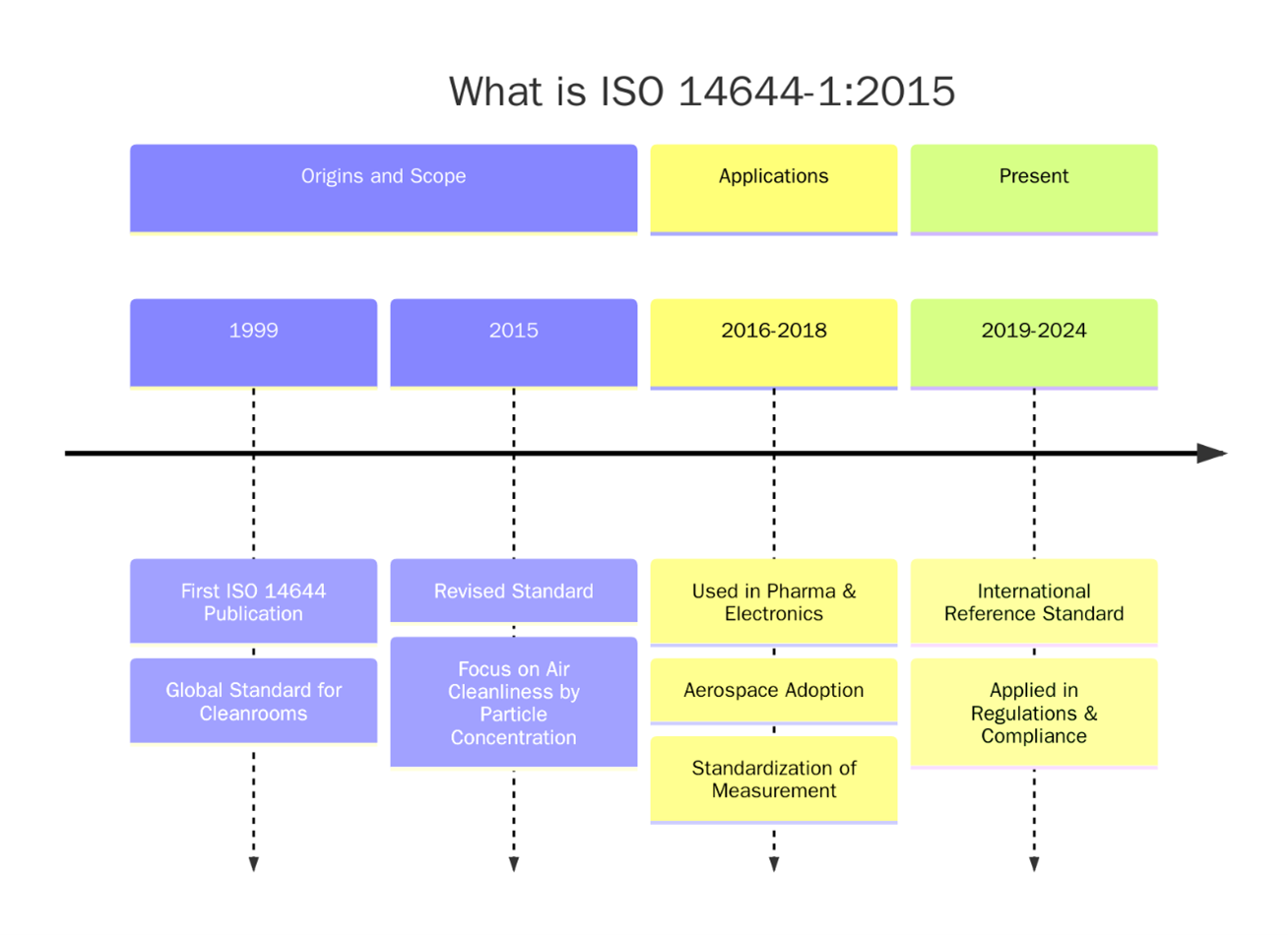
ISO 14644 sets out criteria for classifying cleanrooms according to the maximum allowable concentration of airborne particles, facilitating effective contamination control and consistent product quality.
For more information, contact us at support@demo.pacificcert.com
The purpose of ISO 14644 is to provide a standard method for classifying cleanrooms and controlled environments based on their cleanliness level. The standard helps organizations ensure that their environments meet the necessary cleanliness criteria, preventing contamination that could affect the safety, effectiveness, and reliability of products. This standard is crucial in industries where maintaining specific air quality and minimizing particulate contamination is essential to product quality and compliance with regulatory requirements.
ISO 14644 applies to all cleanrooms and controlled environments, regardless of size or purpose. The standard is relevant for industries such as pharmaceuticals, biotechnology, semiconductor manufacturing, food production, and healthcare, where even minute levels of airborne contamination can have significant effects on product quality and safety. It specifies how to measure and classify particle levels, providing a system to define cleanliness levels in environments where controlled air quality is critical to the success of operations. This standard helps organizations in these sectors to comply with regulatory guidelines and maintain operational efficiency by ensuring that air cleanliness levels are consistently monitored and maintained.
Clause Number | Title |
| Description |
Clause 1 | Scope |
| Defines the scope of the standard and specifies the environments it applies to. |
Clause 2 | Normative References |
| Lists the standards and documents referenced in ISO 14644. |
Clause 3 | Terms and Definitions |
| Provides key terms and definitions used in the standard for consistency. |
Clause 4 | Classification of Air Cleanliness |
| Specifies the classification system for cleanrooms based on airborne particle concentration. |
Clause 5 | Measurement of Airborne Particles |
| Describes the methods for measuring airborne particle concentrations. |
Clause 6 | Environmental Conditions |
| Sets the conditions under which particle concentration measurements should be conducted. |
Clause 7 | Application of Air Cleanliness Classes |
| Describes the various air cleanliness classes and their relevance in different applications. |
Clause 8 | Monitoring and Verification |
| Details the requirements for ongoing monitoring and verification of cleanliness levels in cleanrooms. |
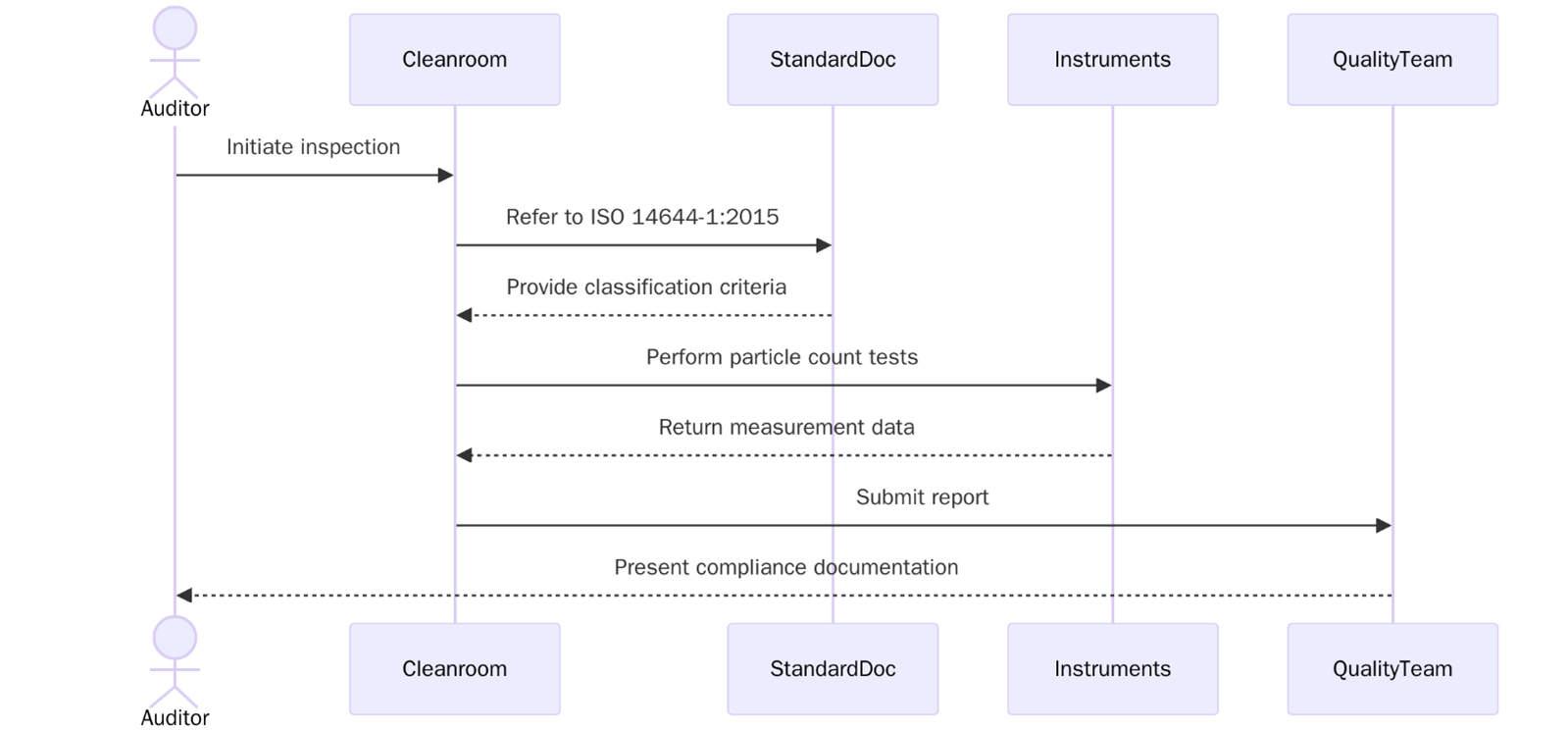
ISO 14644-1 requires that cleanrooms and controlled environments be classified according to the level of airborne particles present. To comply with this standard, organizations must ensure the following:
For more information on standard requirements, contact us at support@demo.pacificcert.com.
ISO 14644 certification offers several important benefits for organizations that operate cleanrooms and controlled environments. Below are some of the key advantages of obtaining ISO 14644 certification:

As industries continue to prioritize product safety and contamination control, the demand for cleanrooms and controlled environments is expected to increase significantly. ISO 14644 certification will be crucial for organizations in sectors like pharmaceuticals, biotechnology, electronics, and food safety, where even the slightest contamination can have severe consequences. As the need for higher standards in environmental control and cleanliness grows, the adoption of ISO 14644 will be essential for organizations aiming to stay competitive and compliant with global regulations.
The certification process for ISO 14644 involves several key steps:
For audits and certification, contact support@demo.pacificcert.com.
The timeline for ISO 14644 certification spans several months. Initially, the pre-assessment and preparation phase takes around 1-2 months, during which the organization reviews and adjusts its practices to meet the standard’s requirements. The Stage 1 audit, which involves reviewing documentation and systems, takes around 1 month. The Stage 2 audit, a more comprehensive on-site assessment, lasts about 1-2 months. Certification issuance occurs within 3-6 months, depending on the audit outcomes and the organization’s readiness.
The cost of ISO 14644 certification varies depending on the size and complexity of the organization and its cleanroom operations. Costs mostly cover:
Audit Fees is the fee for the external audit process carried out by a certification body. Training Costs are the expenses for training personnel on the ISO 14644 standard and cleanroom management. Ongoing Maintenance Costs for ongoing monitoring and recertification, which are generally required every 3 years.
At Pacific Certifications, we provide comprehensive auditing and certification services for ISO 14644. Our team of experts will guide you through the entire certification process, ensuring your cleanroom operations meet the necessary standards for particle concentration and environmental control. We offer:
For audits and certification, contact support@demo.pacificcert.com.
Various training courses are available to help organizations comply with ISO 14644, including:
Pacific Certifications provides accredited training programs. If your organization is looking for ISO training, our team is equipped to help you. Contact us at support@demo.pacificcert.com.
Contact Pacific Certifications to begin your certification journey today!
Suggested Certifications –
Read more: Pacific Blogs
Get a rough Estimate for your Required Certification by entering your basic details.
This will close in 0 seconds
Get in touch!
This will close in 0 seconds