
ISO 16070:2005 is an international standard that specifies the requirements for lock mandrels and landing nipples used in downhole equipment in the petroleum and natural gas industries. These components are crucial for well operations, as they are designed to propagate the secure placement of tools and devices within the wellbore, ensuring proper functioning during drilling, completion and production activities. ISO 16070:2005 provides detailed guidelines for the design, materials, testing and performance of lock mandrels and landing nipples to ensure they meet the rigorous demands of downhole conditions.
The standard ensures that these components function effectively in various well environments, with high resistance to pressure, temperature and corrosion which are commonly found in petroleum and natural gas operations.
For more information, contact us at support@demo.pacificcert.com.
The purpose of ISO 16070 is to provide a standardized framework for manufacturing, testing, and using lock mandrels and landing nipples in downhole applications. The standard ensures that these components meet the necessary safety, quality, and performance requirements to function reliably under challenging downhole conditions. By following this standard organizations can ensure that their well equipment performs as expected, reducing the risk of failures and operational issues during drilling and production.
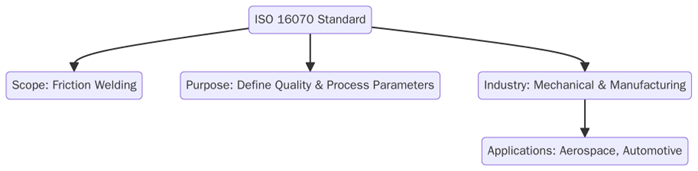
ISO 16070 applies to all organizations involved in the design, manufacturing, and use of lock mandrels and landing nipples for downhole equipment in the petroleum and natural gas industries. It is especially relevant for companies engaged in well completion, drilling operations, and equipment manufacturing. The standard provides essential guidelines for the materials, construction and testing of these components to ensure their compatibility with the demanding conditions of the oil and gas industry.
ISO 16070 is used by equipment manufacturers, drilling contractors, and oilfield service companies who require reliable and durable downhole components to ensure safe and smooth operations in various well conditions.
Clause Number | Title |
| Description |
Clause 1 | Scope | Defines the scope of the standard and specifies the types of downhole equipment covered. | |
Clause 2 | Normative References | Lists the standards and documents referenced in ISO 16070:2005. | |
Clause 3 | Terms and Definitions | Provides essential definitions used throughout the standard to ensure clarity. | |
Clause 4 | General Requirements | Describes the overall requirements for lock mandrels and landing nipples, including materials and design. | |
Clause 5 | Material Requirements | Specifies the material properties required for these downhole components to ensure durability and performance. | |
Clause 6 | Manufacturing Process | Details the manufacturing methods and quality control measures for producing lock mandrels and landing nipples. | |
Clause 7 | Performance and Testing | Outlines the performance tests required to verify the strength, durability, and suitability of these components for downhole use. | |
Clause 8 | Packaging and Marking | Specifies the packaging, labelling, and marking requirements for these components to ensure proper identification and traceability. | |
Clause 9 | Compliance and Certification | Describes the process for certifying that the lock mandrels and landing nipples meet ISO 16070:2005 standards. |
ISO 16070 outlines several important requirements for lock mandrels and landing nipples used in petroleum and natural gas wells.
It specifies a perfect set of guidelines to ensure the safe and reliable use of lock mandrels and landing nipples in well operations. The standard provides detailed criteria for materials, manufacturing processes, testing and performance to ensure that these components function reliably under harsh downhole conditions. Below are the key requirements:
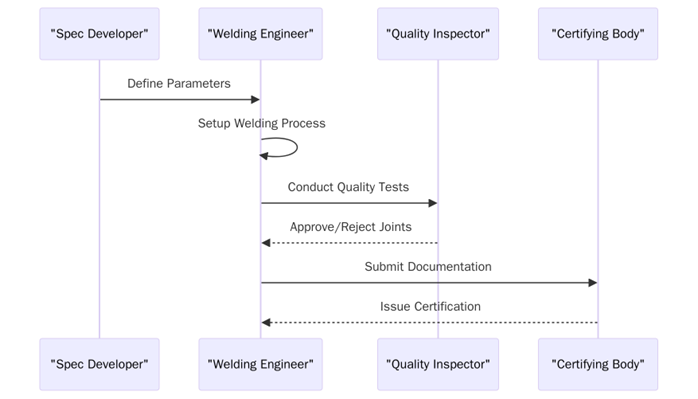
To implement ISO 16070 successfully, organizations must:
For more information, contact us at support@demo.pacificcert.com.
ISO 16070 certification provides several advantages for organizations involved in the manufacturing and use of downhole equipment.
It offers several benefits that upgrade the reliability and safety of downhole operations. By adhering to the requirements of the standard, organizations can improve product quality, reduce risks and increase customer satisfaction. Below are some of the key benefits of obtaining ISO 16070 certification:
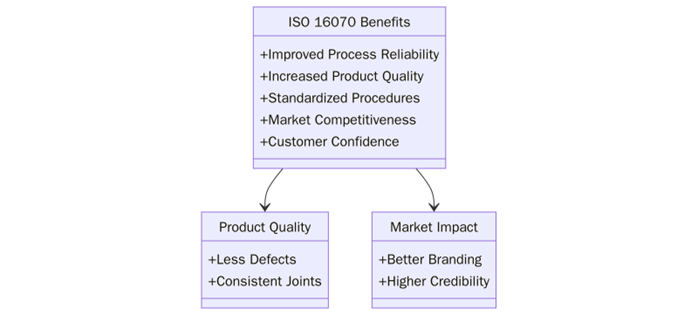
The demand for ISO 16070 certification will continue to grow in the coming years as more companies in the petroleum and natural gas industries prioritize safety, quality, and compliance. As the industry faces increasing regulatory scrutiny and operational complexities, certified components such as lock mandrels and landing nipples will be in higher demand to meet safety standards and ensure the success of drilling operations.
The certification process for ISO 16070 typically involves the following steps:
The timeline for ISO 16070 certification typically spans several months. The pre-assessment and preparation phase generally takes 1-2 months, during which the organization reviews its existing practices. The Stage 1 audit typically lasts about 1 month, focusing on documentation and readiness. The Stage 2 audit, which involves a thorough review of the implementation process, typically takes 1-2 months. Certification issuance typically occurs within 3-6 months, depending on the audit findings and the organization’s readiness for certification.
The cost of ISO 16070 certification can vary depending on the size of the organization, the complexity of its operations, and the number of components manufactured. The typical costs include:
Audit Fees is the fees for the certification body’s audit process. Training costs are the costs for educating staff on ISO 16070 and the necessary processes to comply with the standard. Ongoing maintenance is the cost for regular audits, recertification, and maintaining compliance every 3 years.
At Pacific Certifications, we provide great auditing and certification services for ISO. Our team will guide you through the entire certification process, ensuring that your organization complies with the highest standards for lock mandrels and landing nipples. Our services include:
For audits and certification, contact support@demo.pacificcert.com.
Various training courses are available to help organizations comply, including:
Pacific Certifications provides accredited training programs. If your organization is looking for ISO training, our team is equipped to help you.
Contact Pacific Certifications to begin your certification journey today!
Suggested Certifications –
Read more: Pacific Blogs

Get a rough Estimate for your Required Certification by entering your basic details.
This will close in 0 seconds
Get in touch!
This will close in 0 seconds