
ISO 52000-1:2017 sets out the general framework and procedures for the assessment of the overall energy performance of buildings (EPB). It is the foundational part of a series of ISO standards designed to evaluate how energy-efficient a building is, considering both technical systems and environmental conditions. This standard defines the common principles, modular structure, and calculation boundaries necessary to ensure consistency across national and international EPB assessment methods.
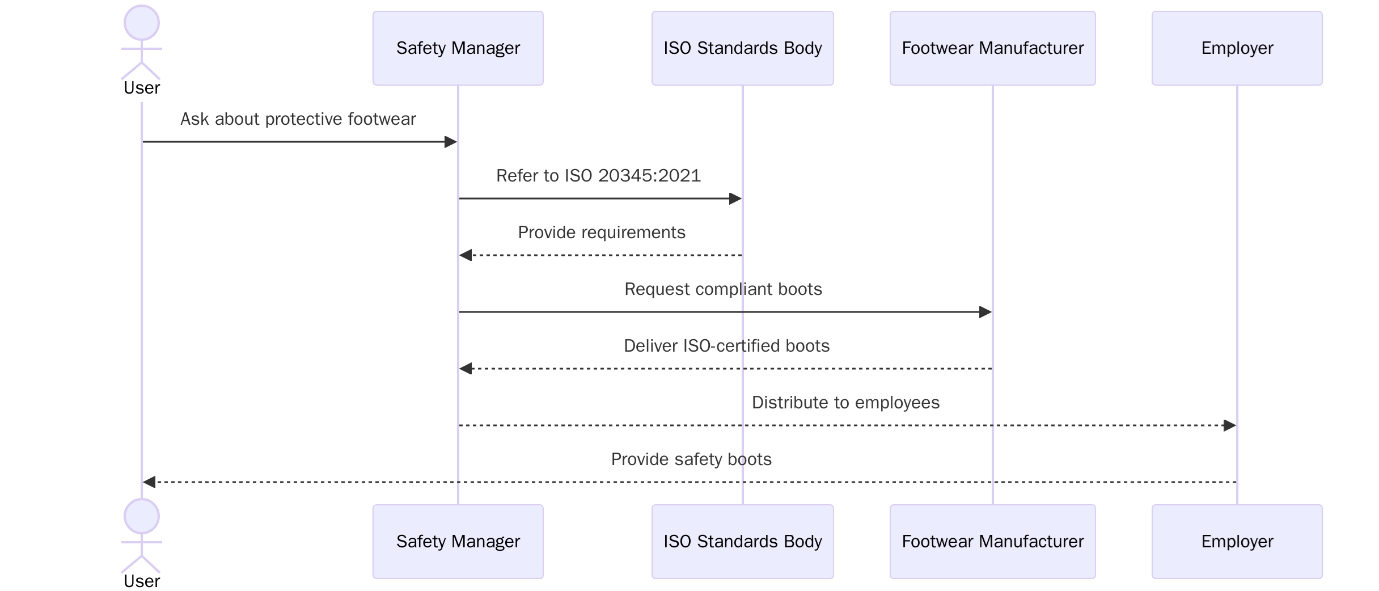
Part 1 serves as the umbrella for the ISO 52000 series, guiding the integration of various aspects like heating, cooling, ventilation, lighting, domestic hot water and renewable energy into a single, harmonized performance assessment.
If you are looking for ISO certification support or audit assistance, contact us at support@demo.pacificcert.com
The main purpose of ISO 52000-1:2017 is to:
Promote the design and renovation of energy-efficient and low-carbon buildings
ISO 52000-1 applies to residential and non-residential buildings, both new and existing. It supports the assessment of total energy performance, including delivered energy, renewable energy generation, and exported energy, based on actual or standardized usage scenarios.
Applicability:
Clause | Title | Description |
1 | Scope | Defines the standard’s applicability to EPB assessment frameworks. |
2 | Normative References | Lists related standards required for full application. |
3 | Terms and Definitions | Provides terminology used consistently throughout EPB standards. |
4 | Symbols and Units | Details the mathematical notations and energy units applied. |
5 | General Requirements | Describes principles, modular approach, and requirements for EPB assessment. |
6 | Calculation Framework | Outlines inputs, assumptions, and procedures for energy calculation. |
7 | System Boundaries | Specifies rules for delivered, exported, and renewable energy inclusion. |
8 | Weighting of Energy Carriers | Defines how different types of energy are normalized and weighted. |
9 | Environmental and Economic Metrics | Introduces optional metrics like CO₂ emissions or cost-based assessment. |
10 | Reporting and Documentation | Requirements for presenting results and ensuring transparency. |
It is complemented by several detailed standards in the modular EPB framework, including:
Standard | Title | Purpose |
ISO 52000-2 (in development) | Explanation and justification of ISO 52000-1 | Provides background and implementation guidance. |
ISO 52010-1:2017 | External climate conditions — Conversion of solar radiation and meteorological data | Defines environmental input for EPB calculations. |
ISO 52016-1:2017 | Energy needs for heating and cooling, internal temperatures — Calculation procedures | Provides detailed methodologies for thermal energy needs. |
ISO 52018-1:2017 | Indicators for partial EPB requirements related to thermal energy balance and fabric performance | Offers ways to express compliance in simpler terms. |
ISO 52003-1:2017 | Indicators, requirements, ratings and certificates | Defines how EPB results should be presented and compared. |
ISO 52022-1:2017 | Daylight calculations and impact on energy use | Covers daylighting’s contribution to lighting demand. |
These standards work together to deliver a holistic and standardized energy performance assessment for buildings.
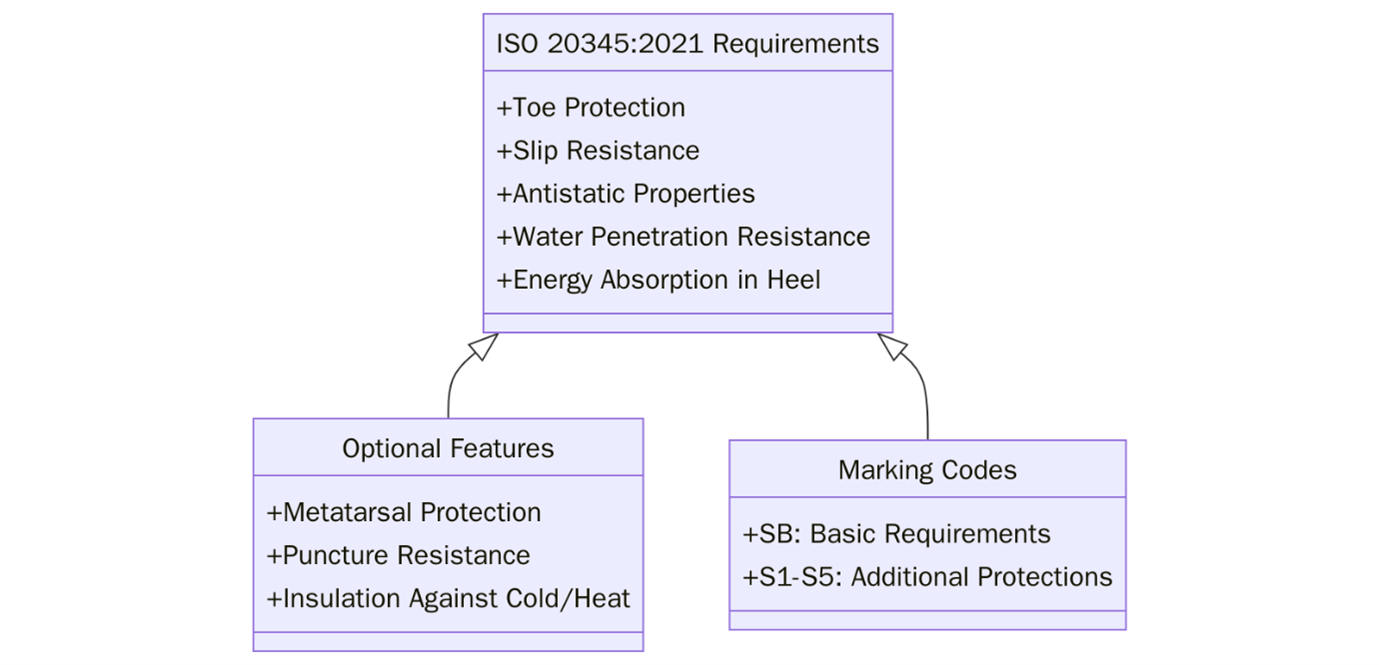
Organizations and professionals applying ISO 52000-1 should:
If you need support for ISO compliance, contact us at support@demo.pacificcert.com.
ISO 52000-1 is gaining increased adoption globally as governments and certification bodies look for harmonized, modular energy performance frameworks. The push toward net-zero buildings, decarbonized construction, and digital modelling of building performance is reinforcing the relevance of this standard. Below are the key benefits:
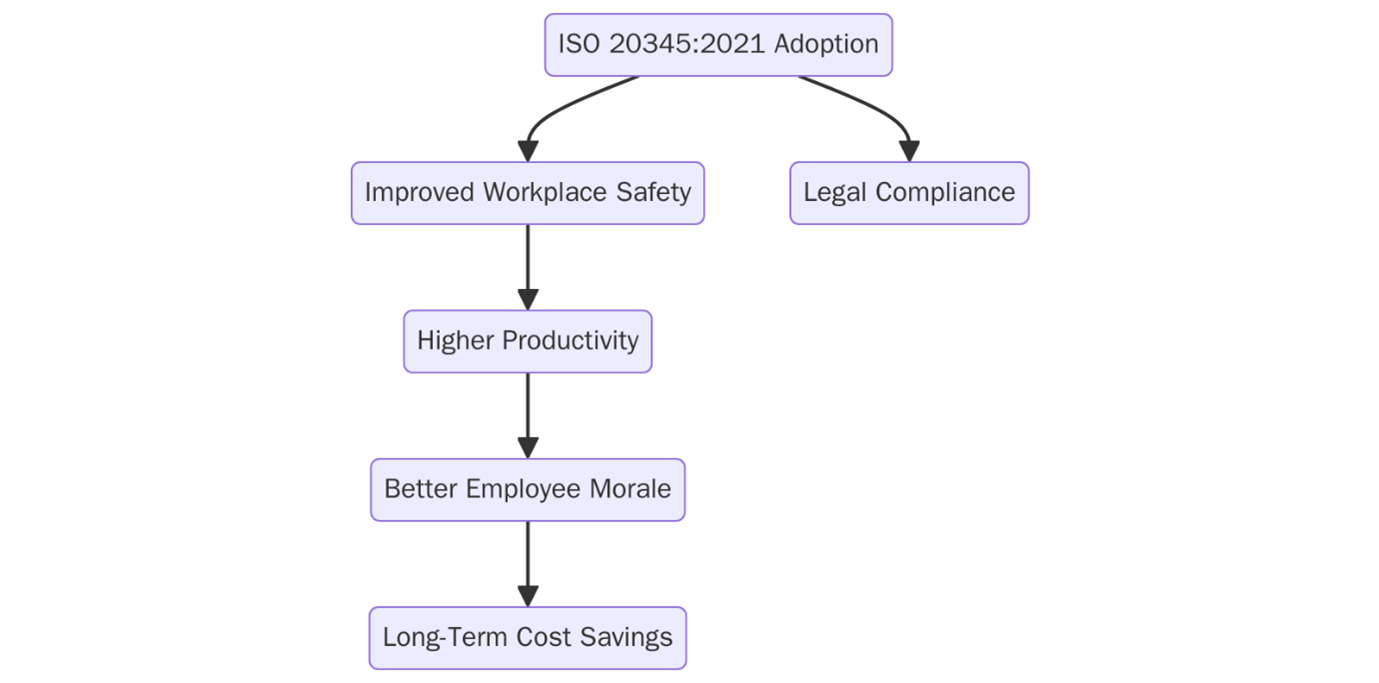
Many regions, particularly the EU, Middle East, and Southeast Asia, are integrating ISO -based EPB frameworks into building codes and procurement standards. With real estate investors and asset managers prioritizing energy disclosure and sustainability ratings, compliance with ISO 52000 is becoming a market differentiator.
The cost of ISO 52000 certification depends on:
To receive a tailored cost estimate, contact us at support@demo.pacificcert.com
Pacific Certifications, accredited by ABIS, provides independent audit and certification services for ISO 52000 and related building performance standards.
We can assist by:
If you are looking for ISO certification, contact us at support@demo.pacificcert.com
Contact Pacific Certifications to begin your certification journey today!
Suggested Certifications –
Read more: Pacific Blogs

Get a rough Estimate for your Required Certification by entering your basic details.
This will close in 0 seconds
Get in touch!
This will close in 0 seconds