
ISO 7101:2023 is the first international standard that establishes formal requirements for a management system focused on quality in healthcare organizations. Designed to improve patient safety, clinical effectiveness and organizational performance, it also provides a structured framework for healthcare institutions to deliver consistent and patient-centered care.
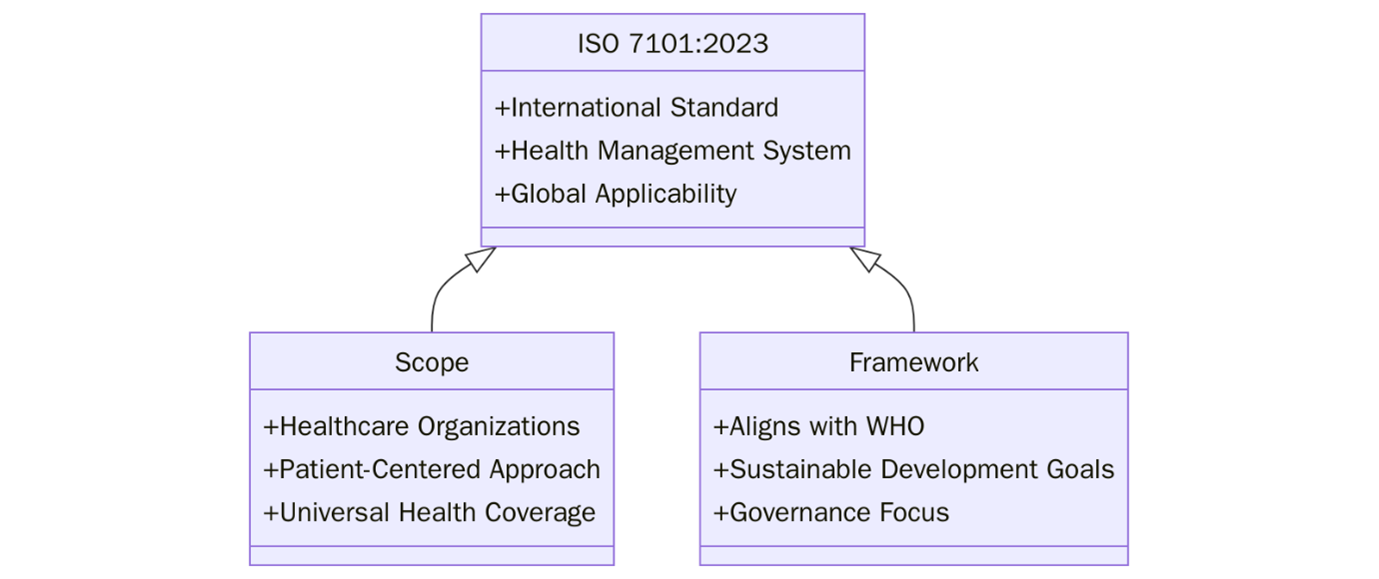
The standard enables healthcare organizations to implement a quality management system (QMS) tailored to the unique risks, ethical obligations and stakeholder expectations of the healthcare environment. ISO 7101 is specifically designed for the healthcare sector.
Looking to implement a quality system in healthcare aligned with ISO 7101 for certification readiness? Contact support@demo.pacificcert.com
ISO 7101 aims to ensure that healthcare organizations deliver effective and person-centered services through a structured management system focused on continual quality improvement. The standard is applicable to all types of healthcare organizations, including:
It applies across all levels of care, regardless of size or complexity, and can be used in combination with ISO 9001, ISO 45001, ISO 15189 and national healthcare accreditation frameworks.
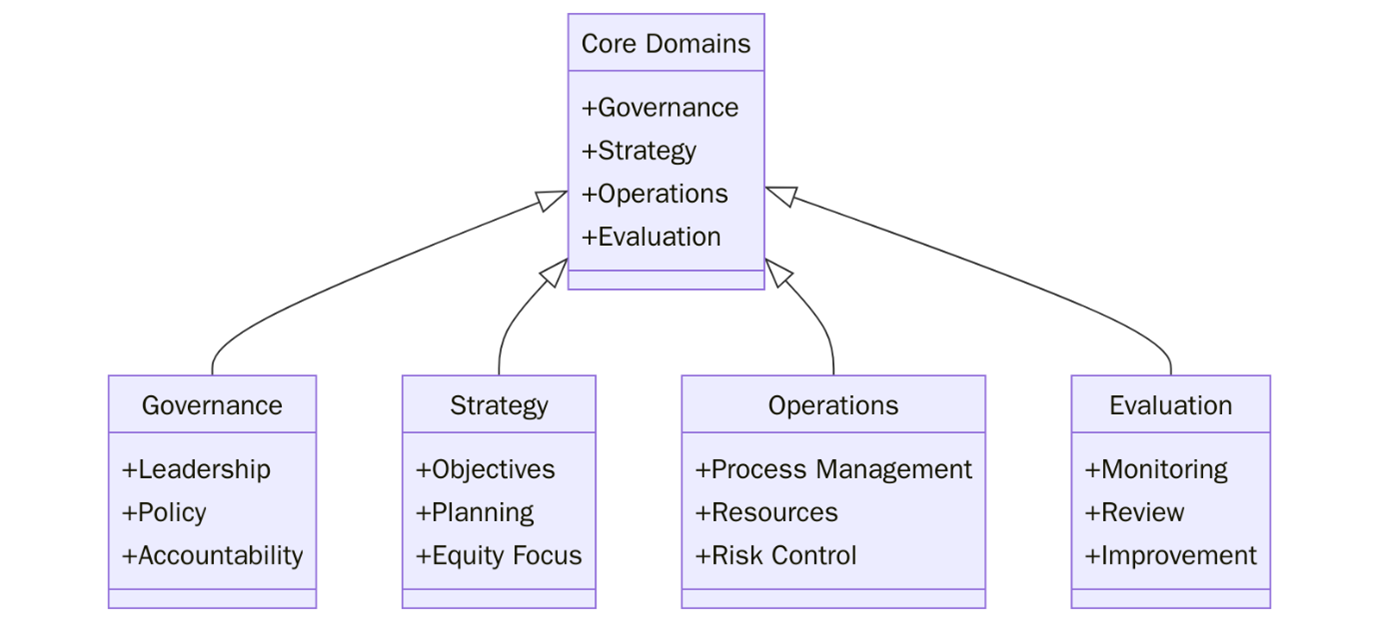
Clause | Title | Key Focus Areas |
Clause 1 | Scope | Defines applicability to all healthcare organizations |
Clause 2 | Normative References | Self-contained standard |
Clause 3 | Terms and Definitions | Sector-specific terms (aligned with ISO/IEC Guide 73 and WHO terminology) |
Clause 4 | Context of the Organization | Understanding internal/external factors, patient populations, and legal frameworks |
Clause 5 | Leadership | Executive accountability, governance, values, and clinical leadership |
Clause 6 | Planning | Quality objectives, risk management, and alignment with population needs |
Clause 7 | Support | Resources, competence, awareness, and communication |
Clause 8 | Operation | Care delivery, coordination, infection control, ethics, and documentation |
Clause 9 | Performance Evaluation | Outcome measurement, audits, patient feedback, and reporting |
Clause 10 | Improvement | Incident investigation, root cause analysis, continual learning, and innovation |
This structure aligns with Annex SL, ensuring compatibility with other ISO management system standards.
To support ISO 7101 implementation and audits, organizations should maintain:
Need a complete ISO documentation checklist? Email support@demo.pacificcert.com!
The global healthcare landscape is undergoing transformation driven by value-based care, patient safety regulations and integrated health systems. Governments, insurers, and healthcare systems are placing increased emphasis on quality outcomes and digital health governance. Below are the key benefits :

In this evolving environment, ISO 7101 is emerging as a cornerstone for healthcare quality management, especially in regions where regulatory harmonization is aligning with global standards. Countries in Europe, Asia-Pacific, and Latin America are increasingly integrating ISO 7101 into public health strategies, accreditation pathways and reimbursement models.
The rise of telehealth, AI diagnostics, and cross-border care is also elevating the need for internationally recognized healthcare QMS standards. By adopting ISO 7101, healthcare providers demonstrate compliance and a patient-centered approach, essential for competitiveness and credibility in today’s health systems.
Want to align your healthcare institution with ISO-based quality governance? Contact support@demo.pacificcert.com.
As a globally recognized certification body, Pacific Certifications provides independent audit and certification services for healthcare management systems, including:
We also provide complete gap assessments, third-party audits, and certification services to support your organization in demonstrating compliance and excellence.
We assess:
To initiate ISO certification or align it with your QMS strategy, contact support@demo.pacificcert.com.
Contact Pacific Certifications to begin your certification journey today!
Suggested Certifications –
Read more: Pacific Blogs

Get a rough Estimate for your Required Certification by entering your basic details.
This will close in 0 seconds
Get in touch!
This will close in 0 seconds