
ISO 50001:2018 is an international standard for Energy Management Systems (EnMS) that provides organizations with a structured framework to improve energy performance, increase energy efficiency, and reduce energy costs. The goal of ISO 50001 certification is to help businesses establish effective energy management systems, ensuring sustainability, regulatory compliance, and reduced environmental impact.
ISO 50001:2018 is crucial because it provides a systematic framework for organizations to improve their energy performance, including energy efficiency, use, and consumption. Implementing ISO 50001 helps organizations identify areas where energy can be used more efficiently, leading to significant cost savings and a reduction in greenhouse gas emissions.
For ISO 50001:2018 certification, please contact us today at support@demo.pacificcert.com.
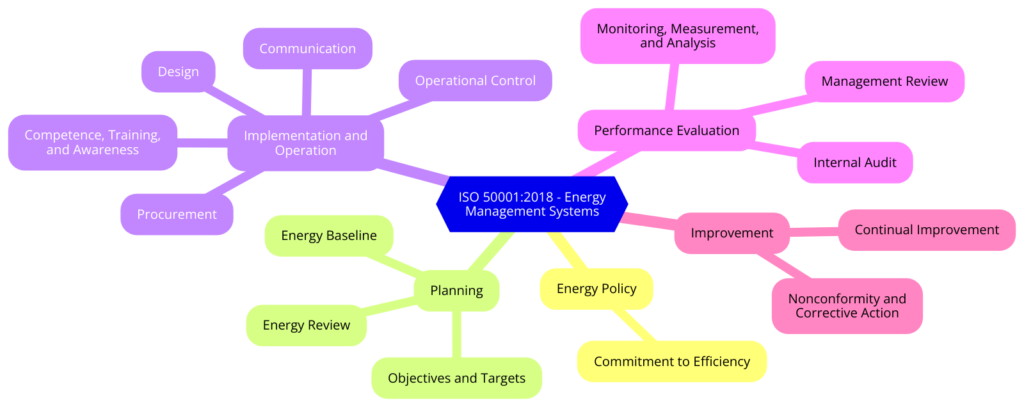
ISO 50001:2018 encompasses several key elements that collectively enable an organization to establish, implement, maintain, and improve an Energy Management System. Below are the main components:
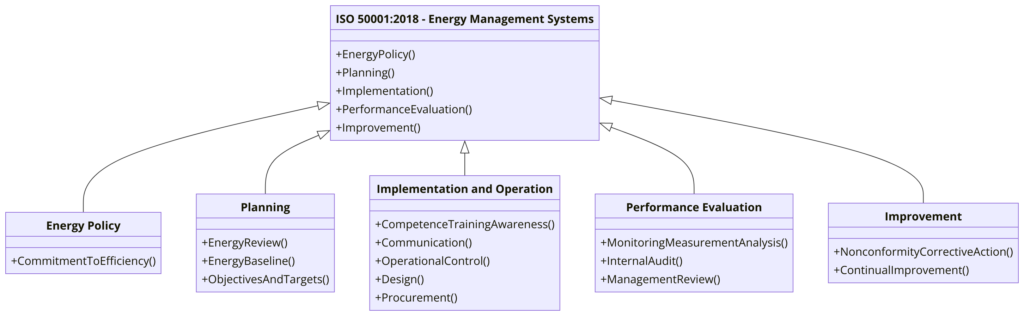
With ISO 50001 organizations can achieve significant energy savings, reduce environmental impact, and enhance their overall sustainability.
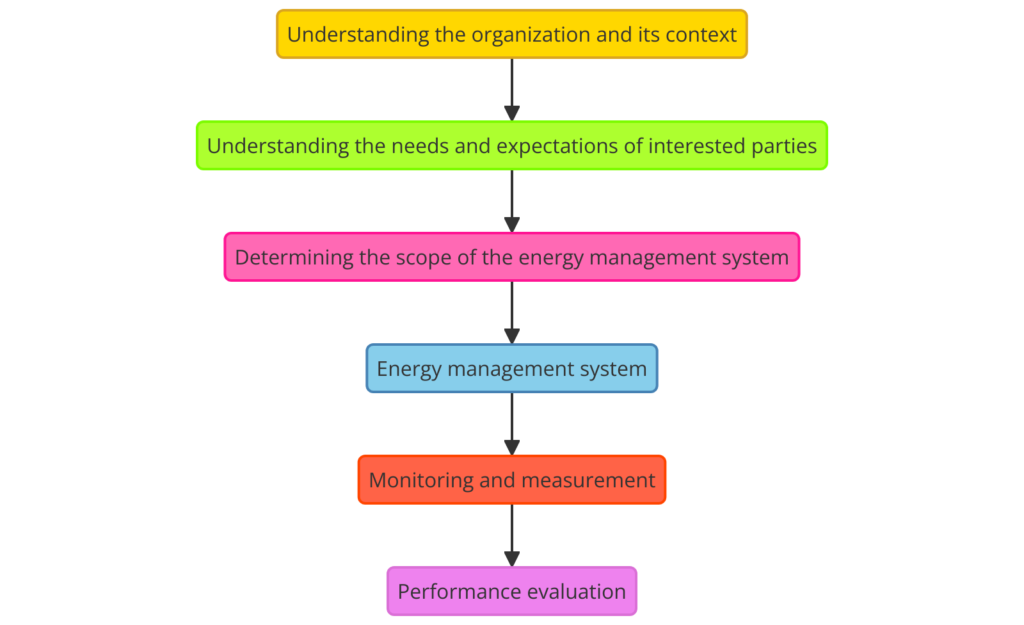
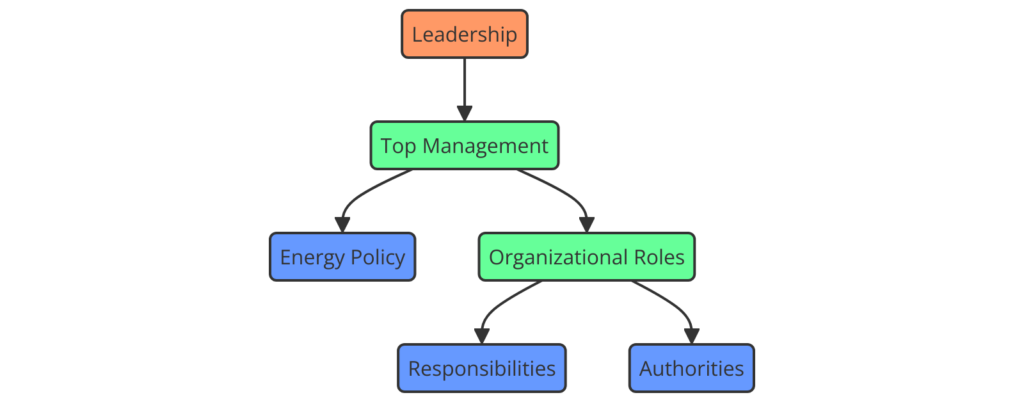

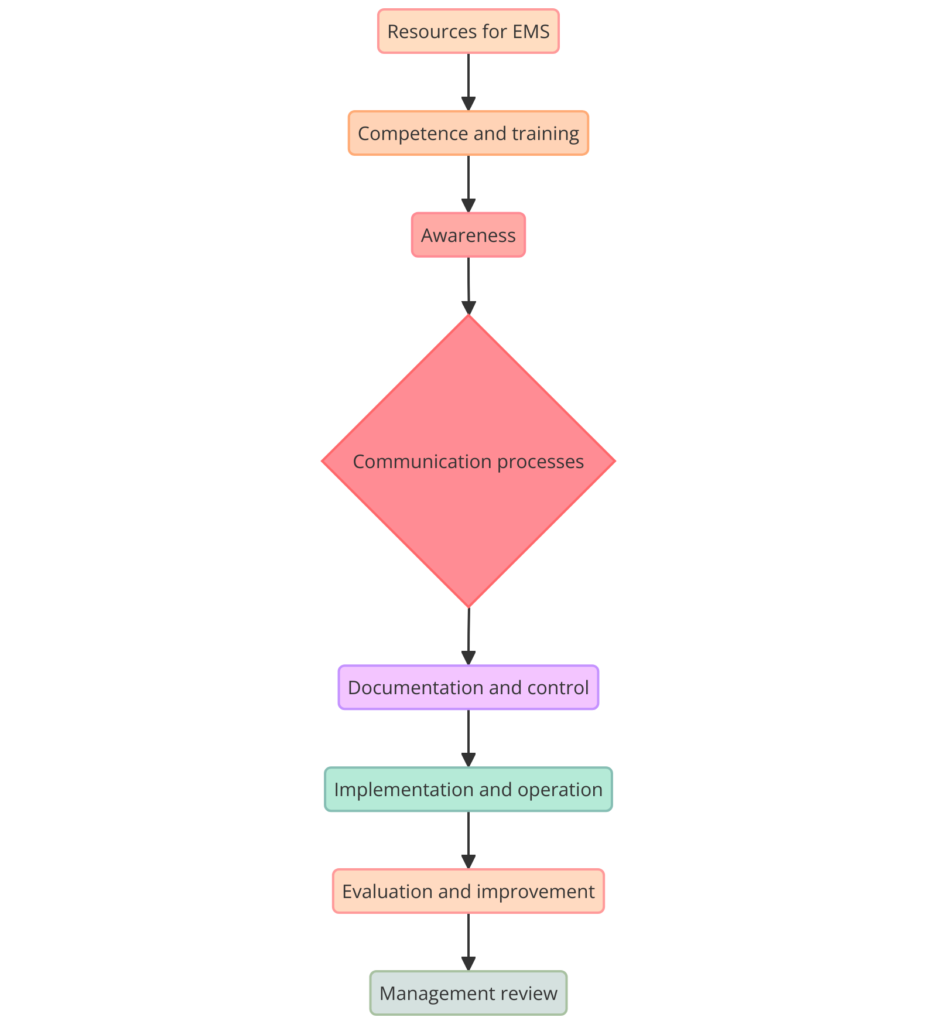
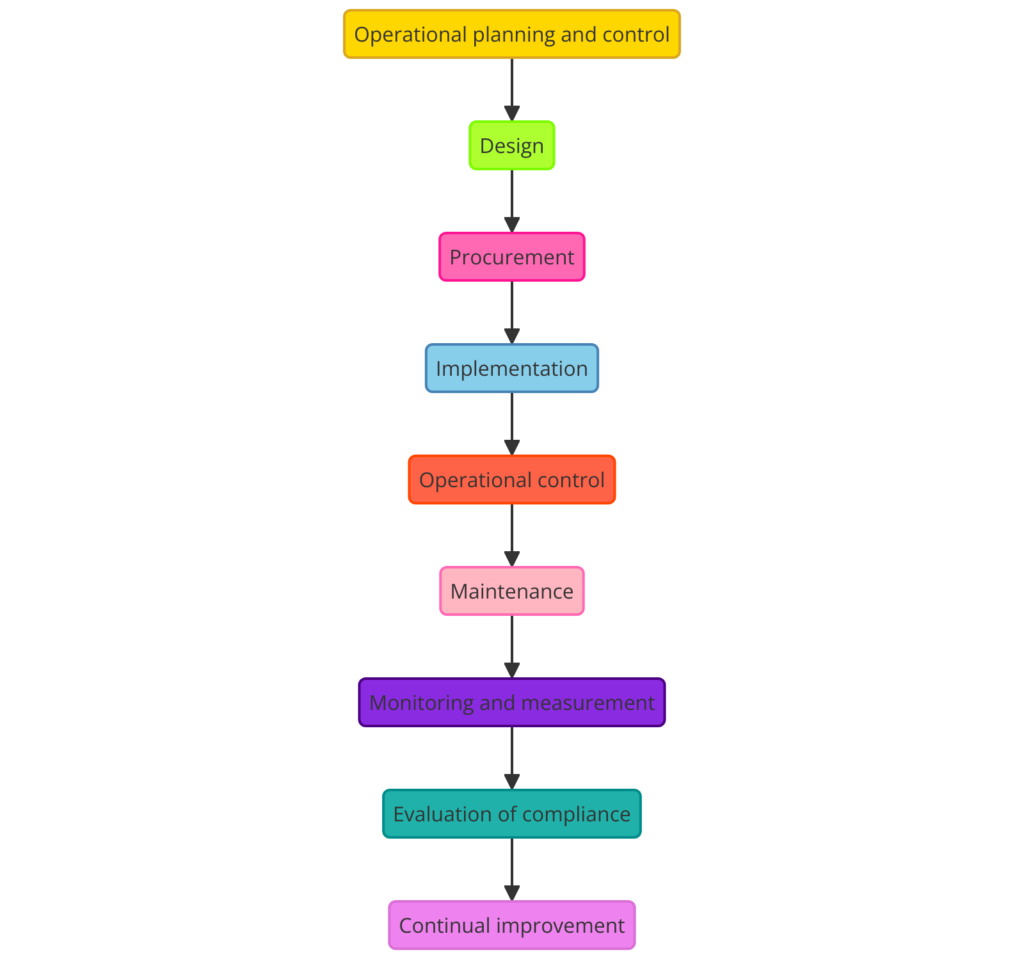
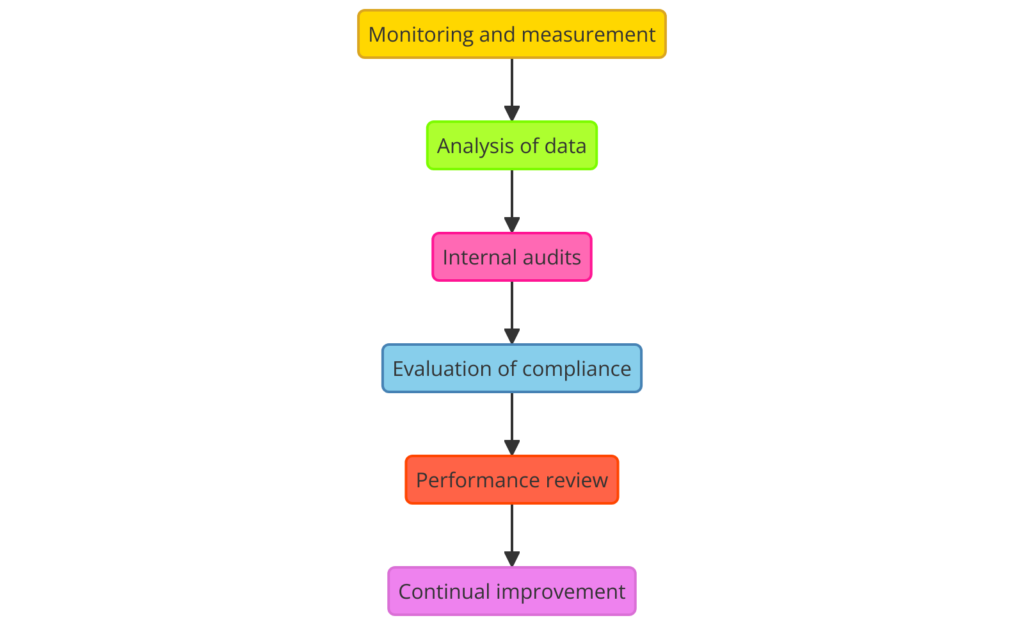
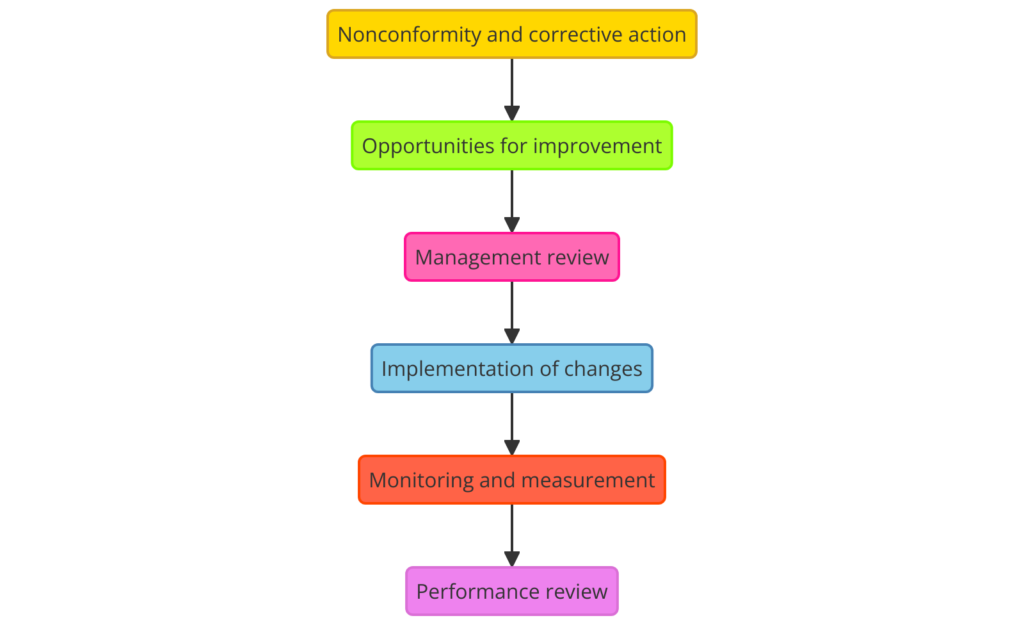
By following this structure, organizations can effectively establish, implement, maintain, and continually improve their energy management systems, leading to enhanced energy performance and sustainable energy use.
Ready to boost your energy efficiency with ISO 50001? Drop us a line at support@demo.pacificcert.com to get started.
Below is a clause-wise checklist to facilitate the auditing process:
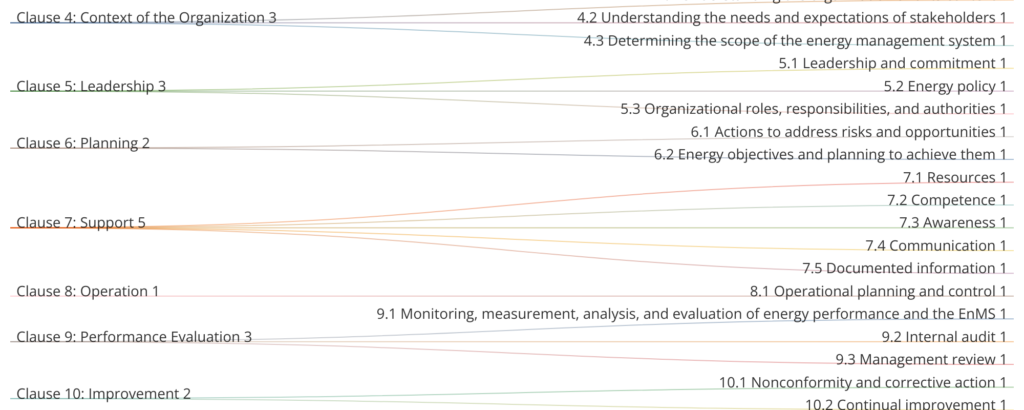
Organizations can systematically evaluate the effectiveness of an organization’s Energy Management System, ensuring that all necessary elements are in place and functioning correctly with the help of the list above, also helps them to prepare for the certification body audit.
To begin your journey towards ISO 50001 certification, reach out to our team at support@demo.pacificcert.com for expert assistance!
The Plan-Do-Check-Act (PDCA) cycle provides a structured approach to continuous improvement in energy management systems (EnMS). The cycle consists of four stages: Plan, Do, Check, and Act. Each stage encompasses specific actions to ensure that energy performance is systematically managed and improved over time.
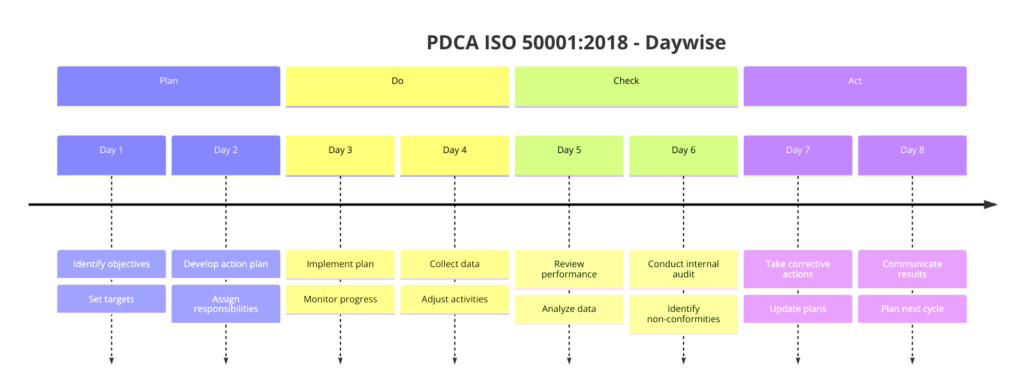
The Plan stage involves establishing the objectives and processes necessary to deliver results in accordance with the organization’s energy policy. It sets the foundation for the EnMS and includes the following activities:
The Do stage involves the implementation of the plans and processes established in the Plan stage. This stage focuses on operational activities and the allocation of resources. Key activities are:
The Check stage involves monitoring, measuring, and evaluating energy performance and the effectiveness of the EnMS. This stage ensures that the organization tracks progress and identifies areas for improvement. Key activities include:
Performance Monitoring (Clause 9)
Management Review (Clause 9.3)
The Act stage involves taking corrective actions based on the findings from the Check stage to ensure continual improvement. This stage closes the PDCA cycle and prepares the organization for the next iteration. Key activities are:
The PDCA cycle is a core principle of ISO 50001, promoting a structured and systematic approach to energy management. The PDCA cycle helps in achieving energy objectives and targets and fosters a culture of continuous improvement within the organization.
Don’t wait to enhance your energy management. Contact us now at support@demo.pacificcert.com for ISO 50001 certification.
The global adoption of ISO 50001 certification, the international standard for Energy Management Systems (EnMS), has grown significantly from 2017 to 2024. This rise is driven by the increasing demand for energy efficiency, cost reduction, and sustainable energy management across industries.
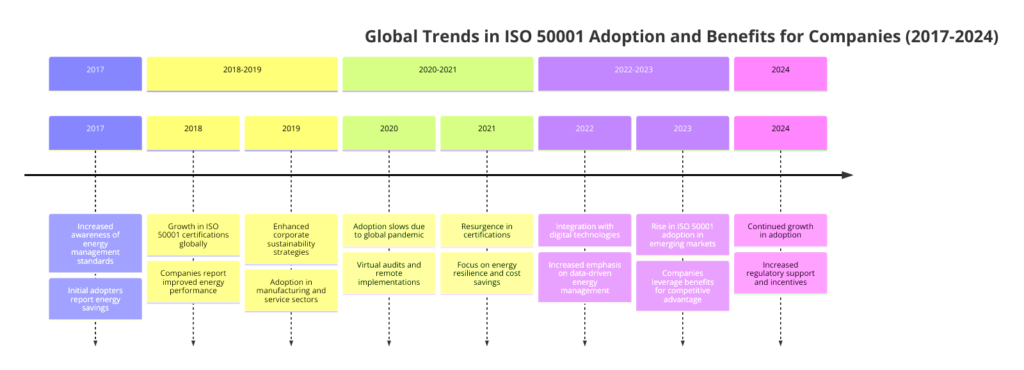
The early years saw a steady increase in ISO 50001 certifications, particularly in energy-intensive industries such as manufacturing, utilities, and large corporations. By 2017, more than 20,000 facilities globally had adopted ISO 50001, motivated by the need to control costs, improve energy efficiency, and enhance competitiveness. The U.S. Department of Energy (DOE) played an important role in promoting ISO 50001 through programs.
Implementing ISO 50001 has led to substantial cost savings and improved energy performance. A DOE analysis of facilities certified to this standard reported annual cost savings ranging from $36,000 to $938,000. These facilities achieved an average 12% reduction in energy costs within 15 months and energy performance improvements of 5.6% to 30.6% over three years. The standard’s focus on continuous improvement ensures that these benefits are sustained and enhanced over time (Plant Engineering).
ISO 50001:2018 supports environmental sustainability by reducing greenhouse gas emissions and other environmental impacts associated with energy use. Companies that adopt the standard contribute to global efforts to mitigate climate change, aligning with CSR objectives and enhancing their environmental stewardship. This alignment with sustainability goals can also attract environmentally conscious customers and investors (Energy in Demand).
The recent years have witnessed a significant increase in the adoption of ISO 50001, driven by the need for improved energy efficiency, cost savings, and alignment with global sustainability goals.
The ISO 50001 certification ensures that an organization meets the requirements of the standard. Here are the key requirements:
Need ISO 50001 certification? Contact us at support@demo.pacificcert.com for more information!
Achieving ISO 50001:2018 certification involves a systematic approach to establishing, implementing, and maintaining an Energy Management System. Here are the steps to the certification process:
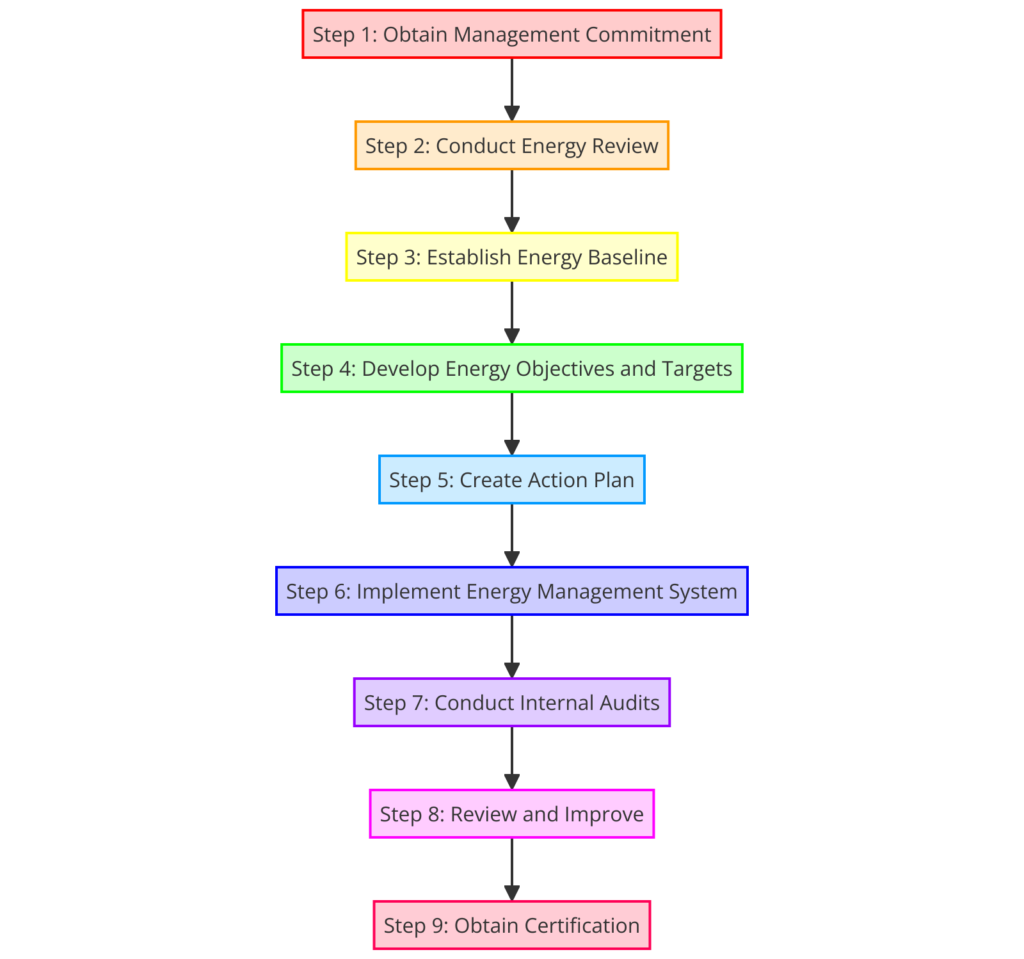
Following these steps systematically can help organizations achieve ISO 50001:2018 certification, demonstrating their commitment to energy efficiency and sustainability.
Take the first step towards ISO 50001 certification. Email us today at support@demo.pacificcert.com to learn how we can help!
ISO 50001:2018 helps organizations improve their energy performance, reduce costs, and enhance sustainability. Over the years, the adoption of ISO 50001 has seen substantial growth globally, driven by increased awareness of energy efficiency and sustainability.
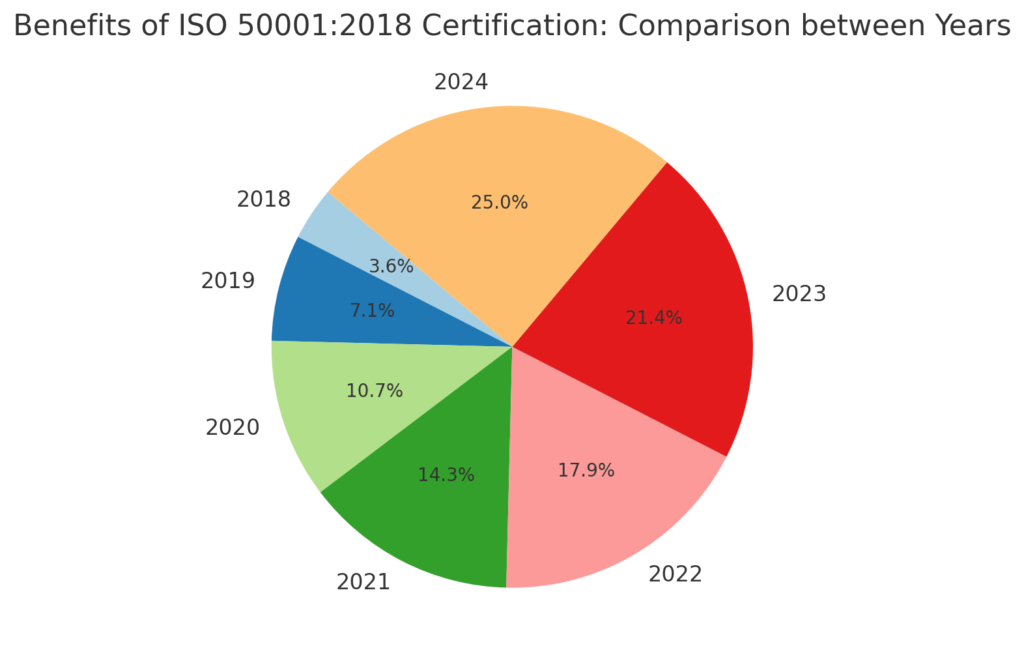
The number of ISO 50001 certifications has steadily increased, with over 43,000 sites certified worldwide as of 2023. This growth is expected to accelerate this year as more companies recognize the benefits of systematic energy management and seek to align their practices with global sustainability goals.
Other Benefits are:
By adopting this standard, organizations can achieve significant operational, financial, and environmental benefits, contributing to long-term sustainability and resilience.
The process of ISO 50001:2018 certification involves several steps. Here is an overview of the typical certification process:
Familiarize Yourself with ISO 50001:2018: Begin by understanding the requirements and principles outlined in the ISO 50001:2018 standard. It is essential to comprehend the key elements and expectations of the standard before initiating the certification process.
Establish an Energy Management System (EnMS): Implement an EnMS within your organization based on the requirements of ISO 50001:2018. This involves developing an energy policy, setting objectives and targets, and conducting an energy review. Also, establishing energy baselines, and identifying energy-saving opportunities.
Internal Readiness Assessment: Perform an internal audit to evaluate the effectiveness of your EnMS. This assessment helps identify gaps or areas that require improvement to align with the standard. In fact, It is recommended to engage a trained internal auditor or a third-party consultant to ensure thorough evaluation.
Select a Certification Body: Choose an accredited certification body to conduct the external audit and certification process. It is crucial to select a reputable and competent certification body with expertise in energy management systems and ISO 50001:2018.
Stage 1 Audit: The certification process typically begins with a Stage 1 audit. The auditor reviews your EnMS documentation, energy policy, objectives, and other relevant information. So, The purpose of this audit is to assess the readiness of your organization for the Stage 2 audit.
Stage 2 Audit: The Stage 2 audit is the main assessment for ISO 50001:2018 certification. The auditor verifies the implementation and effectiveness of your EnMS in accordance with the standard. They will evaluate energy performance, data management, compliance with legal and regulatory requirements, and the overall effectiveness of your energy management practices.
Corrective Actions and Continual Improvement: If any non-conformities or areas for improvement are identified during the Stage 2 audit, you need to address them through corrective actions. The certification body will typically provide a timeframe for addressing these issues. Additionally, your organization should demonstrate a commitment to continual improvement by implementing corrective actions and monitoring energy performance.
Certification Decision: Based on the audit findings and your corrective actions, the certification body will make a decision regarding the certification. If your organization meets the requirements of the standard, you can achieve the certification.
Surveillance Audits: After obtaining the certification, periodic surveillance audits will be conducted by the certification body to ensure ongoing compliance and the continual improvement of your EnMS. Therefore, These surveillance audits occur at regular intervals, typically annually or as determined by the certification body.
Manufacturing Companies: Industries involved in manufacturing processes consume significant amounts of energy. ISO 50001 certification helps manufacturing companies identify energy-saving opportunities, and optimize energy use in production processes. Also, reduces costs, and improves overall energy efficiency.
Commercial Buildings: Buildings, including offices, shopping malls, hotels, and hospitals, are major energy consumers. This certification can help these organizations optimize their energy use, implement energy-efficient technologies,s and reduce energy consumption while maintaining comfort and functionality.
Public Sector Organizations: Government agencies, municipalities, and public institutions can benefit from this certification by improving energy management in public buildings, transportation systems, and public services. Thus, It enables these organizations to lead by example in energy efficiency and sustainable practices.
Energy Service Companies (ESCOs): ESCOs are specialized organizations that provide energy management and efficiency services to clients. This standard enhances the credibility of ESCOs, demonstrating their expertise in energy management and providing assurance to clients that their energy-related needs will be effectively addressed.
Large Corporations: Multinational corporations and large organizations with diverse operations and facilities can benefit from This certification to standardize energy management practices across their operations. It helps establish a consistent approach to energy management, enables benchmarking, and facilitates the sharing of best practices within the organization.
Small and Medium-sized Enterprises (SMEs): SMEs often have limited resources and face unique energy management challenges. Therefore, The standard can provide SMEs with a structured framework to improve energy performance, reduce energy costs, and enhance competitiveness.
Energy-intensive Industries: Industries that are highly energy-intensive, such as chemicals, steel, cement, and paper manufacturing, can significantly benefit from this certification. It helps them identify energy-saving opportunities, and optimize energy use in complex processes. Also, reduce their environmental footprint.
Service Providers: Service-oriented organizations, such as data centers, IT companies, logistics providers, and transportation companies, can benefit from ISO 50001 certification by optimizing energy consumption in their operations and minimizing the environmental impact of their services.
Pacific Certifications is accredited by ABIS, in case you need support with ISO 50001 certification for your business, please contact us at support@demo.pacificcert.com or +91-8595603096.
Suggested Certifications –
Read About: FDA

Get a rough Estimate for your Required Certification by entering your basic details.
This will close in 0 seconds
Get in touch!
This will close in 0 seconds